
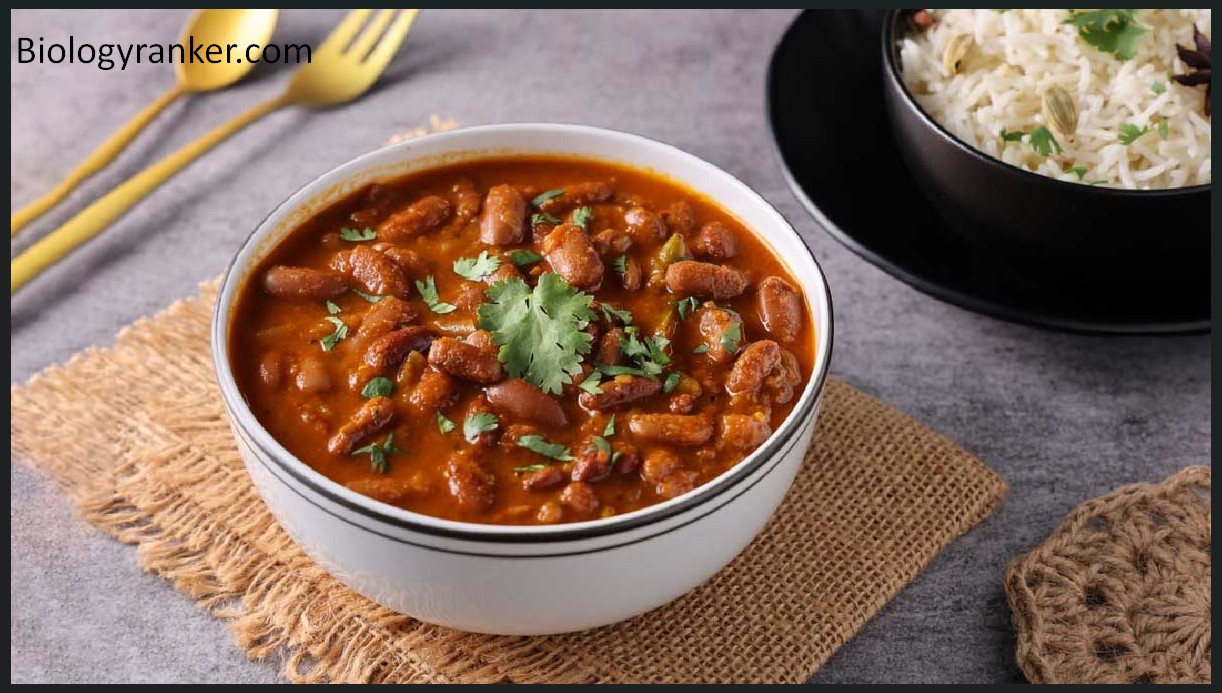
Rajma, or red kidney bean curry, is North India’s comfort food classic. Slow-cooked beans in a thick, spiced tomato-onion gravy, scooped up with steaming basmati rice: that combo is called rajma chawal and it’s a national obsession for a reason.
Here’s the deep-dive guide you asked for. We’ll cover history, ingredients, science, step-by-step technique, regional variations, troubleshooting, meal prep, and nutrition. Save this and you’ll never need another rajma recipe.
Chilli Paneer Recipe – घर पर बनायें मज़ेदार और स्वादिष्ट चिली पनीर
Quick Facts Table
|
Attribute |
Detail |
|---|---|
|
Cuisine |
North Indian, especially Punjabi and Dogri |
|
Course |
Main course |
|
Diet |
Vegetarian, vegan-adaptable, gluten-free |
|
Prep time |
10 minutes + 8 hours soaking |
|
Cook time |
60 to 90 minutes |
|
Total time |
9 to 10 hours with soaking, 50 minutes with canned beans |
|
Servings |
4 to 6 |
|
Difficulty |
Beginner friendly |
|
Best paired with |
Basmati rice, jeera rice, roti, naan, onion lachha, boondi raita |
|
Storage |
Fridge 4 days, freezer 3 months |
What Exactly Is Rajma?
Rajma means “kidney beans” in Hindi. The dish rajma masala refers to red kidney beans cooked in a spiced gravy of onions, tomatoes, ginger, garlic, and classic North Indian spices.
The beans most commonly used are the small, dark red Jammu rajma or Chitra rajma. Jammu rajma are smaller, cook faster, hold shape, and absorb flavor better than the large Mexican red kidney beans you see in chili. If you only have the large variety, they still work. The texture will be slightly mealier.
Origin story: Kidney beans are New World crops that came to India via Portuguese traders in the 16th century. Punjab and Jammu adapted them into a thick curry that matched local roti and rice eating habits. Dogra cuisine from Jammu claims some of the earliest rajma preparations, often simpler and less tomato-heavy than the Punjabi restaurant style.
The Science of Perfect Rajma: Texture and Flavor
Great rajma comes down to three things: creamy beans, thick gravy that clings, and balanced spice.
Bean texture: You want beans that are completely tender but not mushy. Undercooked rajma stays chalky and can cause digestive issues. The fix is two-part: proper soaking and pressure cooking or slow simmering until the skins wrinkle slightly and the inside is creamy.
Gravy consistency: Authentic rajma is not watery. The thickness comes from 3 sources:
- Mashed beans: Reserve 2 to 3 tablespoons of cooked beans and mash them into the gravy.
- Bhuna onion-tomato masala: Cook the onion and tomato base until the oil separates. That concentration is key.
- Reduction: Simmer the curry with beans so flavors marry and liquid reduces.
Flavor layering: Punjabi cooking builds flavor in stages. Whole spices bloom in oil, onions caramelize, ginger-garlic paste cooks out its raw smell, tomatoes cook down to a paste, and powdered spices fry briefly. Skip a stage and the dish tastes flat.
घर पर स्वादिष्ट पोहा बनाने की विधि – Poha Recipe In Hindi
Ingredients: The Classic Punjabi Version
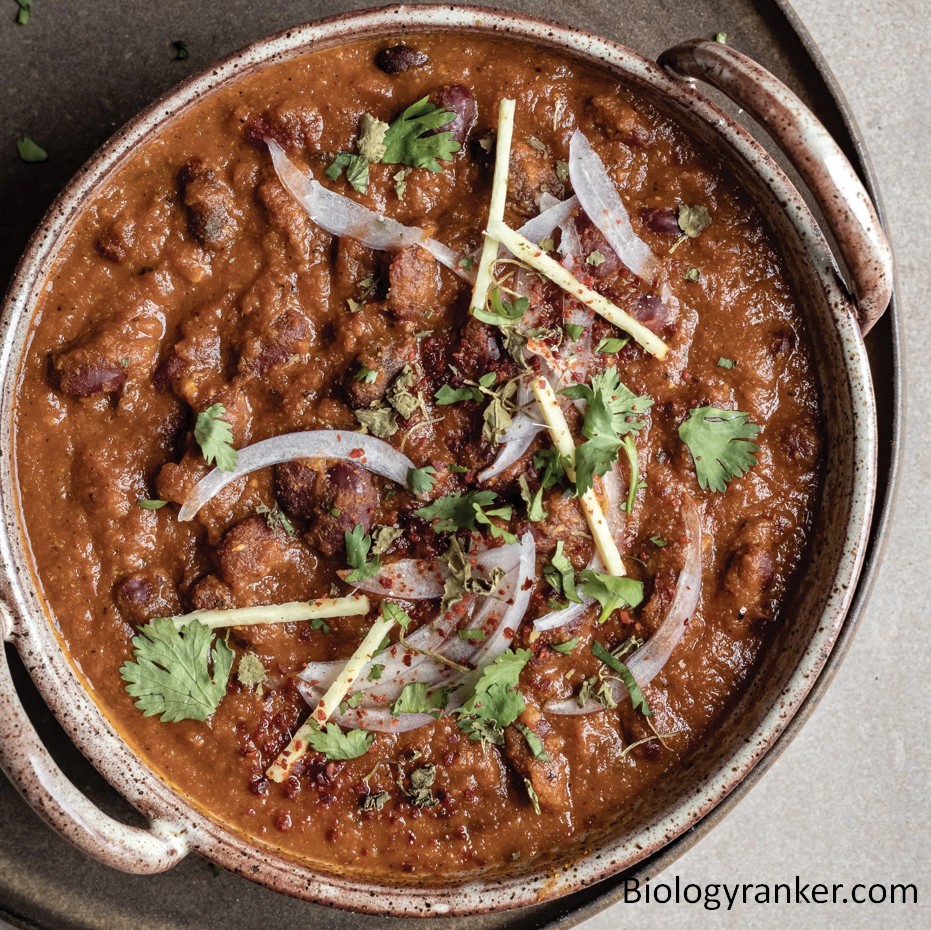
For the beans
- Rajma: 1 cup dried, about 200 g. Yields 3 cups cooked. Substitute 2 cans, 15 oz each, drained.
- Water: 3 to 3.5 cups for pressure cooking.
- Salt: 1 teaspoon for cooking beans.
- Bay leaf: 1 optional. Adds aroma while boiling.
- Black cardamom: 1 optional. Gives smoky depth.
For the masala
- Oil or ghee: 3 tablespoons. Ghee gives restaurant flavor. Use oil for vegan.
- Cumin seeds: 1 teaspoon.
- Onion: 2 medium, about 250 g, finely chopped or pureed.
- Ginger-garlic paste: 1.5 tablespoons fresh.
- Green chilies: 1 to 2, slit. Adjust heat.
- Tomatoes: 3 medium, 300 g, pureed. Use ripe red tomatoes for color.
- Turmeric powder: 1/2 teaspoon.
- Red chili powder: 1 teaspoon Kashmiri for color, plus extra spicy variety if you like heat.
- Coriander powder: 2 teaspoons.
- Cumin powder: 1 teaspoon.
- Garam masala: 1 teaspoon, added at the end.
- Kasuri methi: 1 tablespoon, crushed. Dried fenugreek leaves are the “secret” restaurant flavor.
- Salt: To taste.
- Fresh coriander: 3 tablespoons, chopped, for garnish.
- Ginger juliennes: 1 tablespoon, for garnish.
Optional add-ins
- Butter: 1 tablespoon at the end for dhaba style.
- Fresh cream: 1 to 2 tablespoons for richer gravy.
- Anardana powder: 1/2 teaspoon for tang if tomatoes aren’t sour enough.
Step-by-Step: Traditional Pressure Cooker Method
This is the most common home method and gives consistent results.
Step 1: Soak the beans
Rinse 1 cup rajma 3 to 4 times until water runs clear. Soak in 4 cups water for 8 hours or overnight. For a quick soak, boil beans 2 minutes, then cover and rest 1 hour. Soaking reduces cooking time and phytic acid, which improves digestibility.
Step 2: Cook the beans
Drain soaking water. Add beans to pressure cooker with 3.5 cups fresh water, 1 teaspoon salt, bay leaf, and black cardamom. Pressure cook for 12 to 15 whistles on medium heat, or 20 to 25 minutes after first whistle. Let pressure release naturally. Beans should press easily between fingers. If using an Instant Pot, use Bean/Chili mode for 25 minutes, natural release.
Reserve 1 cup of the bean cooking liquid. It’s starchy and adds body to the gravy.
Step 3: Make the masala
Heat 3 tablespoons oil or ghee in a heavy kadhai or pot. Add 1 teaspoon cumin seeds. When they sizzle, add finely chopped onions. Cook on medium heat 8 to 10 minutes until deep golden brown. This is the flavor base, so don’t rush.
Add ginger-garlic paste and slit green chilies. Saute 1 to 2 minutes until raw smell disappears.
Add tomato puree and 1/2 teaspoon salt. Cook 8 to 12 minutes. The mixture will reduce, darken, and oil will start separating from sides. This bhuno step is critical.
Step 4: Add powdered spices
Lower heat. Add turmeric, red chili powder, coriander powder, and cumin powder. Saute 30 seconds. If masala sticks, splash 2 tablespoons water. Cooking spices in oil removes raw taste and deepens color.
Step 5: Combine beans and gravy
Add cooked rajma with its 1 cup reserved liquid. Add another 1 to 1.5 cups hot water depending on how thick you like it. Mix well. Mash 2 to 3 tablespoons of beans against the side of the pot to thicken gravy.
Step 6: Simmer
Cover and simmer on low heat 20 to 25 minutes. The longer it simmers, the better it tastes. Stir every 5 minutes so nothing sticks. Rajma absorbs flavor during this stage.
Step 7: Finish
Crush 1 tablespoon kasuri methi between palms and add. Add 1 teaspoon garam masala and 1 tablespoon butter if using. Simmer 2 minutes. Taste and adjust salt. Garnish with ginger juliennes and coriander.
Rest the curry 15 minutes before serving. Like dal, rajma tastes better after it sits.
No Pressure Cooker? Stovetop Method
Soak and drain beans as above. Add to a large pot with 6 cups water, salt, bay leaf. Bring to boil, then simmer covered 60 to 90 minutes until tender. Add hot water if it dries out. Make masala separately and combine as in Step 5.
Using Canned Kidney Beans: 30-Minute Version
Short on time but need rajma tonight? Use canned beans.
Changes to method:
- Use 2 cans red kidney beans, drained and rinsed.
- Skip soaking and boiling steps.
- Make masala as written. Add 1.5 cups hot water to the masala and simmer 5 minutes.
- Add canned beans. Simmer 15 minutes so beans absorb flavor. Mash a few beans for thickness.
Texture will be slightly softer and flavor less deep than dried beans, but still excellent for a weeknight.
Regional and Modern Variations
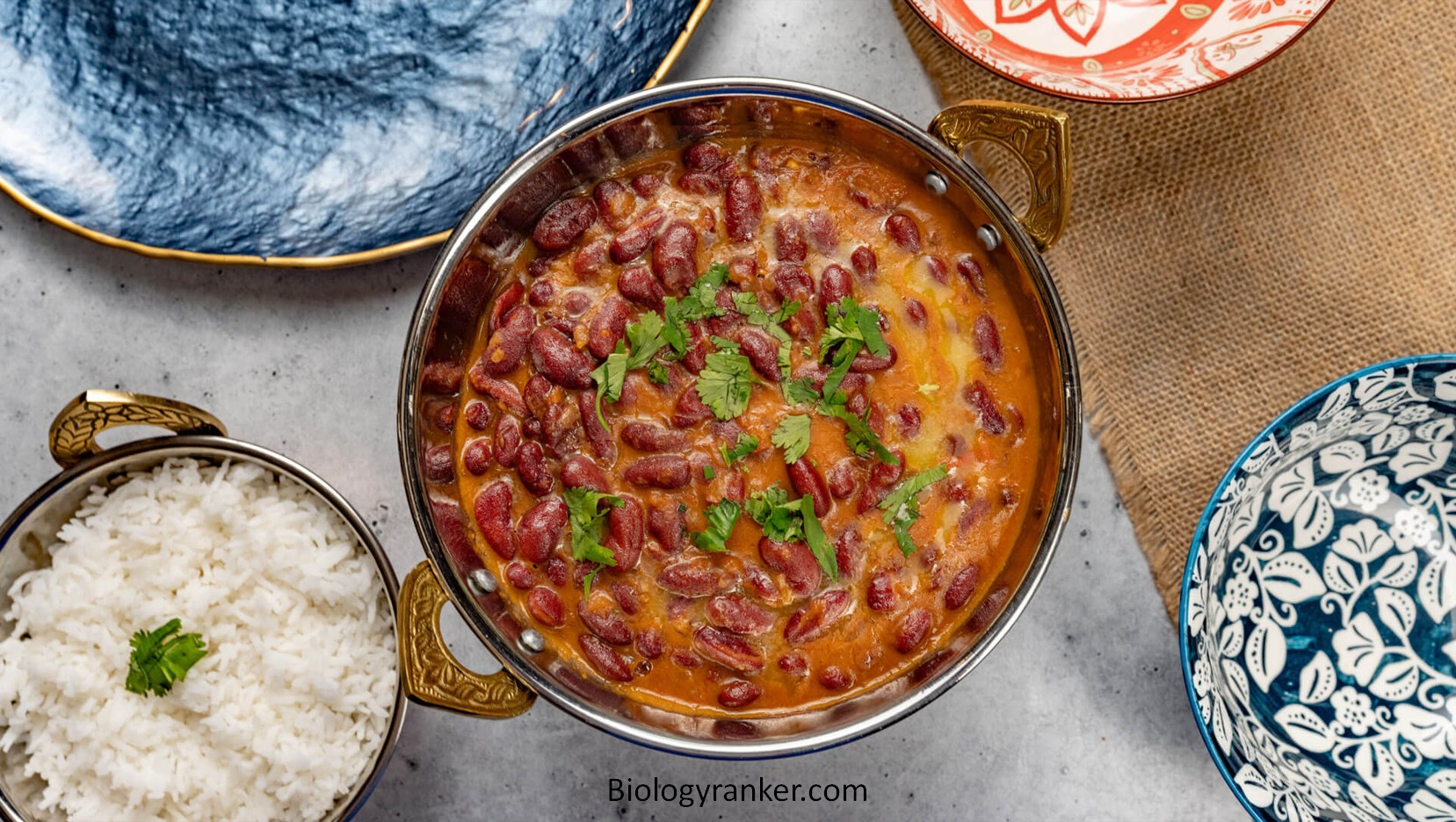
Dogra Jammu rajma: Simpler spice profile. No onion-garlic in some homes. Tomato is minimal. Tempering uses mustard oil, whole red chilies, and a pinch of asafoetida. Often eaten with rice and anardana chutney.
Dosa Recipe in Hindi – 15 मिनट में मसाला डोसा बनाने की विधि
Dhaba style rajma: Extra oil, butter, and cream. Onions are often pureed for smooth gravy. Finished with a smoky dhungar step: place a live coal in a steel bowl, set it on the curry, pour 1 teaspoon ghee on coal, cover 2 minutes.
Pahadi rajma: From Himachal and Uttarakhand. Uses local small red beans, cooked with less tomato and more whole spices. Served with madra or chawal.
Kashmiri rajma: Yogurt replaces tomato. Fennel powder and dry ginger powder are key. Mustard oil base.
Vegan rajma: Use oil, skip butter and cream. The dish is naturally vegan otherwise.
Rajma galouti: Leftover rajma mashed with boiled potato, shaped into kebabs, and pan-fried.
Rajma biryani: Layer cooked rajma masala with parboiled basmati, saffron milk, and fried onions. Dum cook 20 minutes.
What to Serve With Rajma
Rajma chawal is the classic: plain basmati or jeera rice. The neutral rice balances the robust curry.
Other options:
- Roti or phulka: For lower-carb meal.
- Naan or tandoori roti: Restaurant style.
- Onion lachha: Sliced onions with lemon and chaat masala.
- Boondi raita or cucumber raita: Cooling contrast.
- Pickle and papad: Add crunch and tang.
Meal Prep, Storage, and Freezing
Fridge: Cool rajma completely. Store in airtight container up to 4 days. Flavor improves on day 2.
Freezer: Portion into freezer bags or containers. Freeze up to 3 months. Thaw overnight in fridge. Reheat with splash of water.
Make-ahead tip: Boil a double batch of rajma and freeze half without masala. Next time, just make fresh masala and add frozen cooked beans.
Troubleshooting Guide
|
Problem |
Why it happens |
How to fix |
|---|---|---|
|
Beans still hard after cooking |
Old beans, no soaking, hard water |
Soak longer, add 1/4 tsp baking soda while boiling, or cook longer |
|
Gravy too thin |
Too much water, not enough reduction |
Simmer uncovered, mash more beans, add 1 tsp besan slurry |
|
Gravy too thick |
Too much reduction |
Add hot water or bean cooking liquid, simmer 2 minutes |
|
Bland taste |
Masala not cooked enough, low salt |
Cook onion-tomato longer next time, adjust salt, add garam masala and lemon |
|
Too spicy |
Extra chili powder or green chilies |
Add 1 tbsp cream, butter, or mashed potato to mellow |
|
Bitter taste |
Burnt garlic or spices |
Unfortunately hard to fix. Add pinch of sugar and 1 tbsp cream |
|
Gas or bloating |
Undercooked beans, no soaking |
Always soak, drain, rinse. Add ajwain or hing while cooking |
Nutrition Breakdown: Per 1 Cup Serving With Rice
Approximate values for rajma made with 1 tbsp oil total, served with 3/4 cup cooked basmati:
- Calories: 350 to 400 kcal
- Protein: 12 to 15 g
- Carbs: 55 to 60 g
- Fiber: 10 to 12 g
- Fat: 7 to 9 g
- Iron: 20% daily value
- Folate: 35% daily value
Kidney beans are rich in plant protein, resistant starch, and minerals. Soaking and thorough cooking reduce lectins to safe levels. If you’re on a low-FODMAP diet, canned beans that are rinsed well are usually better tolerated.
Pro Tips From Home Cooks and Chefs
- Buy the right bean: Look for “Jammu” or “Chitra” rajma at Indian stores. They’re smaller and cook creamier.
- Don’t skip kasuri methi: That restaurant aroma is mostly from dried fenugreek leaves added at the end.
- Use bean cooking liquid: It has starch and flavor. Don’t discard unless you’re reducing FODMAPs.
- Bhuno until oil separates: If you stop cooking masala early, the curry tastes raw and lacks depth.
- Balance tang: If tomatoes are sweet, add 1/2 tsp amchur or a squeeze of lemon at the end.
- Tempering finish: For dhaba vibe, do a second tadka of 1 tbsp ghee, pinch of hing, and 1/2 tsp Kashmiri chili powder. Pour over finished rajma.
- Make it one day ahead: Rajma is a classic “next-day” dish. The beans soak up more flavor overnight.
Full Recipe Card: Print-Friendly Version
Serves 4 to 6
Ingredients
1 cup dried rajma, 2 medium onions finely chopped, 3 medium tomatoes pureed, 1.5 tbsp ginger-garlic paste, 3 tbsp oil or ghee, 1 tsp cumin seeds, 1/2 tsp turmeric, 1 tsp Kashmiri chili powder, 2 tsp coriander powder, 1 tsp cumin powder, 1 tsp garam masala, 1 tbsp kasuri methi, salt, coriander for garnish.
Method
- Soak rajma 8 hours. Drain.
- Pressure cook with 3.5 cups water and 1 tsp salt for 15 whistles. Reserve liquid.
- Heat oil. Add cumin. Add onions. Brown 10 minutes.
- Add ginger-garlic. Cook 1 minute. Add tomato puree and salt. Cook until oil separates, 10 minutes.
- Add turmeric, chili, coriander, cumin powder. Saute 30 seconds.
- Add beans + 1 cup reserved liquid + 1 cup water. Mash some beans.
- Simmer 20 minutes covered on low.
- Add kasuri methi, garam masala. Simmer 2 minutes. Garnish.
Serve hot with chawal and onion lachha.
Frequently Asked Questions
Can I skip soaking rajma?
You can, but cook time triples and texture is uneven. Quick soak is the minimum: boil 2 minutes, rest 1 hour.
Why is my rajma dark?
Long cooking and caramelized onions darken the gravy. Kashmiri chili gives red color without extra heat. If you want bright red, use Kashmiri chili and ripe tomatoes, and avoid over-browning onions.
Pav Bhaji Recipe In Hindi – इस तरह बनायें स्वादिष्ट और मजेदार पाव भाजी
Can I make it in a slow cooker?
Yes. Soaked beans + masala + 4 cups water on low 6 to 8 hours. Sauté onions and tomatoes first for best flavor.
Is rajma healthy for weight loss?
Yes, in portions. It’s high protein, high fiber, and filling. Control oil and pair with moderate rice or roti.
My kids don’t like whole beans. Options?
Mash the curry partially or blend 1/3 of it for a smoother texture. Reduce green chilies.
How to get that restaurant “smoky” taste?
Use the dhungar method with charcoal, or add 1/4 tsp smoked paprika. Some dhabas also use black cardamom in the bean boil.
That’s rajma from every angle. The key takeaway: soak well, cook beans until creamy, bhuno your masala properly, and give it time to simmer. Do that and you’ll get the kind of rajma chawal people crave on rainy days.