
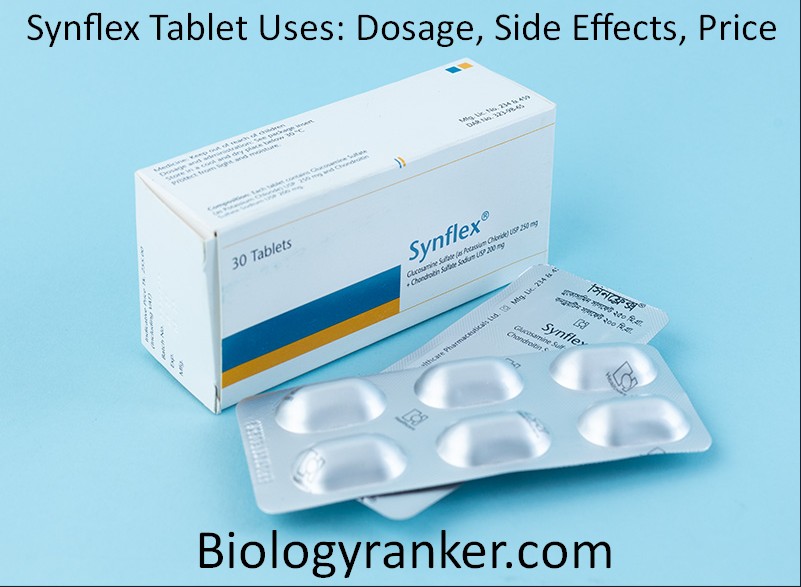
What Is Synflex Tablet?
Synflex is the brand name for naproxen sodium, a nonsteroidal anti-inflammatory drug (NSAID). It’s available as Synflex 275 mg and Synflex DS 550 mg tablets.
Drug class: Analgesic-anti-inflammatory
How it works: Naproxen sodium blocks cyclooxygenase enzymes COX-1 and COX-2, which stops the body from making prostaglandins — the chemicals that cause pain, fever, and inflammation.
FDA-Approved and Common Clinical Uses of Synflex
Synflex is prescribed for both acute and chronic conditions where pain and inflammation are key problems.
A. Musculoskeletal & Joint Conditions
|
Condition |
How Synflex Helps |
Typical Dose* |
|---|---|---|
|
Rheumatoid arthritis |
Reduces joint inflammation, stiffness, and swelling |
250–500 mg twice daily |
|
Osteoarthritis |
Alleviates pain, improves joint mobility |
250–500 mg twice daily |
|
Ankylosing spondylitis |
Manages spinal inflammation and discomfort |
250–500 mg twice daily |
|
Gout, acute attacks |
Controls severe joint pain and inflammation |
Higher supervised dose |
|
Sprains, strains, injuries |
Used for acute musculoskeletal pain |
550 mg initial, then 275 mg every 6–8h |
|
Back pain & muscle injuries |
Temporary relief from pulled muscles or strain |
275–550 mg as needed |
*Dosage varies by condition, age, and medical history. Never exceed prescribed dosage.
B. Pain Conditions
- Mild to moderate pain: Headache, toothache, post-surgical pain. OTC strength 220 mg every 8–12 hours.
- Menstrual cramps (dysmenorrhea): Reduces uterine prostaglandins that cause cramping. Typical dose 275–550 mg.
- Fever: Antipyretic properties help lower fever.
C. Migraine — Synflex M Variant
Synflex M combines naproxen 500 mg + sumatriptan 85 mg.
- Naproxen: Blocks pain/inflammation
- Sumatriptan: 5-HT₁ receptor agonist that narrows dilated blood vessels in the brain
- Uses: Acute migraine with or without aura, post-surgery migraine, reducing migraine risk and associated nausea/sensitivity
How to Take Synflex Safely
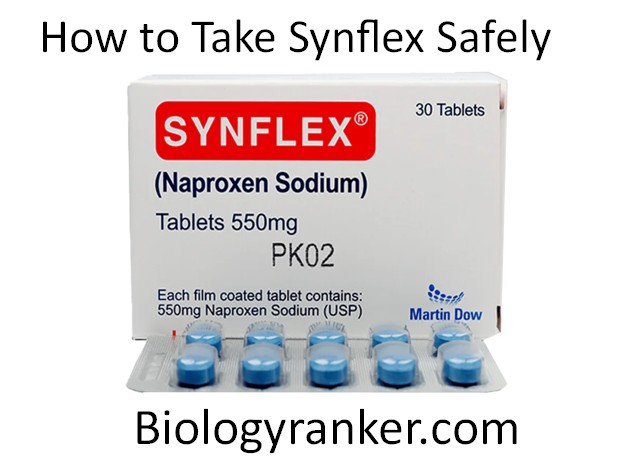
Administration Guidelines
- Swallow whole with a full glass of water; do not crush or chew.
- Take with food or milk to minimize stomach upset.
- Use for the shortest time possible to protect the stomach.
- Standard adult dose: 1 tablet orally twice a day or as prescribed.
Dosage Examples
- Mild pain/menstrual cramps: 275 mg every 6–8 hours
- Arthritis/chronic inflammation: 550 mg initially, then 275 mg every 6–12 hours
- OTC pain/fever: 220 mg every 8–12 hours for age 12+
Missed dose: Take as soon as you remember. If close to next dose, skip it. Don’t double.
Synflex vs Synoflex: Important Distinction
Search results show two similar names that are often confused:
|
|
Synflex |
Synoflex |
|---|---|---|
|
Active ingredient |
Naproxen sodium (NSAID) |
Diacerein + Glucosamine + MSM |
|
Drug class |
Analgesic-anti-inflammatory |
Cartilage supplement/proteoglycan stimulator |
|
Main use |
Pain, inflammation, arthritis, gout |
Osteoarthritis, joint repair |
|
Mechanism |
Blocks prostaglandins |
Builds cartilage, lowers joint swelling |
If your doctor said “Synflex” for pain, they likely meant naproxen sodium. “Synoflex” is used for long-term osteoarthritis support.
Benefits of Synflex Over Other Painkillers
- Longer half-life: Dosing every 12 hours vs every 4–6 hours for ibuprofen.
- Potent anti-inflammatory action: Preferred for arthritis and gout.
- Migraine combo option: Synflex M targets both pain and vascular causes of migraine.
- Antipyretic effect: Reduces fever along with pain.
Side Effects: Common to Serious
Like all NSAIDs, Synflex can cause side effects.
Common Side Effects
- Nausea, vomiting, stomach pain, heartburn
- Bloating, indigestion, constipation, diarrhea
- Dizziness, headache, drowsiness
- Sweating
These may improve after stopping or reducing dose. Taking with food helps.
Serious Side Effects — Seek Emergency Help
Stop medicine and get medical help for:
- Black stools, vomiting blood, severe stomach pain
- Breathing difficulty, chest pain, swelling of face
- Severe allergic reaction, skin rash
- Decreased urination, fainting, severe dizziness
Long-term risks: Stomach ulcers, gastric bleeding, intestinal perforation; kidney injury, liver problems, cardiovascular complications.
Who Should NOT Take Synflex
Contraindications & Warnings:
- GI issues: Active stomach ulcers, gastrointestinal bleeding, severe gastric irritation
- Allergies: NSAID-induced asthma, allergy to naproxen/aspirin/other NSAIDs
- Heart/kidney/liver: Severe liver dysfunction, kidney disease, heart disease, hypertension, history of stroke
- Blood disorders
- Age: Not for children under 12
- Pregnancy & lactation: Not recommended; consult doctor
- Alcohol: Do not use with alcohol — increases ulcer/bleeding risk
Elderly, smokers, alcohol users, people on steroids/blood thinners have higher ulcer/bleeding risk.
Drug Interactions
Synflex can interact with:
- ACE inhibitors: captopril, enalapril
- ARBs: losartan, valsartan
- Corticosteroids: prednisolone
- Blood thinners: warfarin, clopidogrel, enoxaparin
- Lithium, aspirin, potassium supplements
Always give your doctor a full medication history.
Special Populations
|
Group |
Safety Note |
|---|---|
|
Pregnancy |
Info not available; consult doctor. Generally avoided in 3rd trimester. |
|
Breastfeeding |
Info not available; consult doctor |
|
Kidney disease |
Probably safe if prescribed; dose may not need adjustment |
|
Liver disease |
Probably unsafe; should be avoided |
|
Driving |
Don’t drive if you feel dizzy or can’t concentrate |
|
Elderly |
Use reduced dosage; higher GI/kidney risk |
Price in Pakistan (2025-2026)
Based on recent listings:
- Synflex 550 mg 30 tablets: PKR 780
- Synflex M 85/500 mg 10 tablets: PKR 400
- Synflex M 2 tablets: Rs. 387
Prices vary by pharmacy and city. Always buy from licensed pharmacies.
Storage & Handling
- Store at room temperature 15–30°C in a closed container, protected from light.
- Keep out of reach of children.
- Don’t share with others.
FAQs
Q: Can I use Synflex for arthritis long-term?
A: It helps arthritis symptoms, but don’t use continuously for long periods without supervision due to ulcer/kidney/heart risks.
Q: Is Synflex safe with alcohol?
A: No. Caution advised; alcohol increases stomach bleeding risk.
Q: Can I take it with other joint supplements?
A: For Synoflex (glucosamine combo), yes but consult doctor. For Synflex (naproxen), avoid combining with other NSAIDs.
Q: What if I overdose?
A: Call emergency services or go to ER immediately.
Learn More:


