
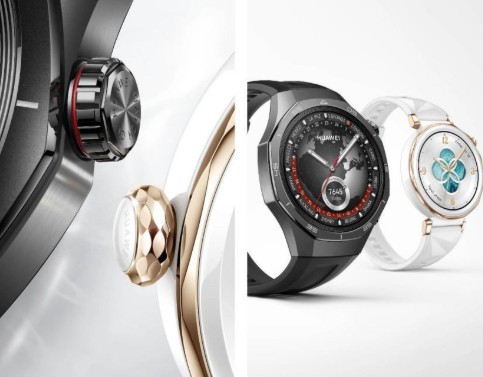
Wearable watches have surged in popularity, capturing the attention of tech-savvy users and health enthusiasts alike. These devices promise to track our health metrics, motivate us to stay active, and sometimes even save lives. But do they truly live up to the hype, or are they just fashionable gadgets with limited practical use? This article dives into the heart of this debate, evaluating the health benefits of wearable watches versus their role as mere accessories. By understanding the potential pros and cons, you can make a more informed decision about whether to invest in these technological marvels.
Wearables Deliver Real Health Benefits
These innovative devices offer more than just the time. They serve as valuable health companions, providing meaningful benefits to users.
Trusted Health Metrics & Clinical Use
Wearable watches effectively track various health metrics, like heart rate, steps, and sleep patterns. Equipped with advanced sensors, they offer accurate data closely monitored by healthcare professionals. These metrics inform daily health choices and facilitate clinical interventions. For instance, heart rate variability data can help doctors gauge stress levels or identify potential heart issues, offering a proactive approach to health management. Wearables also play an essential role in clinical research, allowing for continuous data collection outside traditional settings. This real-time monitoring provides a clearer picture of individual health trends, empowering users and their health practitioners with precise information.
Life-Changing Alerts & Monitoring
Wearables alert users to crucial health changes, potentially preventing serious outcomes. For example, users receive notifications if their heart rate spikes unexpectedly or if there’s an irregular rhythm is detected. These instant alerts can prompt immediate medical consultation, potentially averting crises like heart attacks. For individuals with chronic conditions, wearable watches offer continuous monitoring. Diabetics might use them to track glucose levels, while those with sleep apnea can monitor sleep quality. By capturing this data, wearables facilitate discussions with healthcare providers, enabling personalized treatment plans and more proactive health management.
Preventive Insights & Lifestyle Awareness
Wearables educate users about their health patterns, promoting preventive care. By analyzing activity data, these devices encourage regular exercise, reminding users to step away from sedentary habits. Tracking sleep patterns helps users improve their rest by identifying disruptions and optimizing sleep quality. These preventive insights help establish healthier routines, encouraging better lifestyle choices. With reminders to hydrate, move, or take medication, wearables maintain a steady focus on well-being. This awareness empowers users to make informed decisions, achieve fitness goals, and reduce the risk of chronic ailments.

Watch Out—They Can Be Overhyped Gadgets
Despite their potential, wearables occasionally fall short, entering the realm of stylish yet trivial accessories.
Accuracy Gaps & Anxiety Risks
Not all wearable data is equal; accuracy remains a limitation. Heart rate monitors, for example, may provide inconsistent readings during intense workouts. Tracking inaccuracies can lead users to incorrect assumptions about their health, creating unnecessary worry. Moreover, constant health monitoring may cause health anxiety, making users overly fixated on minor fluctuations. This preoccupation with data can lead to stress rather than health improvement. It’s crucial to remember that wearables are supplementary tools, not replacements for professional healthcare advice.
Distraction, Gear Fatigue & Privacy Concerns
Beyond health metrics, wearables may distract with constant notifications and alerts. This flood of information interrupts daily life, leading to gear fatigue where novelty turns into a burden. Users may eventually ignore or abandon their devices altogether. Privacy concerns also emerge, as wearables collect and store sensitive health data. This data can be vulnerable to security breaches, potentially exposing personal information. While wearables offer benefits, users must weigh these against the risk of information overload and data security.
Bridging Health and Tech—Finding the Balance
Finding harmony between using a wearable for health and as a gadget is key.
Choosing Based on Health Goals
The selection of wearable watches should align with personal health objectives. Before purchasing, clarify whether you aim to improve fitness, manage a condition, or simply monitor general wellness. Research respective features, ensuring they cater to your specific needs. Additionally, consider how seamlessly the device integrates with other health apps and tools. A clear understanding of your health objectives enables you to pick a wearable that offers genuine value, ensuring it supports your journey rather than serving as a mere tech status symbol.
Smart Integration with Healthcare Tools
Maximizing the potential of wearables involves integrating them with comprehensive healthcare tools. Users should connect their devices with other health management platforms, allowing for seamless data transfer and thorough analysis. Many wearables now sync with electronic health records, enriching discussions with healthcare providers. This integration promotes a coherent approach to health maintenance, ensuring that the data collected enhances, rather than complicates, your healthcare experience. Consult with healthcare professionals about the best integration options to ensure your wearable watch becomes a constructive component of your health strategy.
Practical Habits for Real Health Impact
Adopting practical habits is crucial for wearables to make a meaningful health impact. Set realistic activity goals and use your device to track progress, but avoid obsessing over minor metrics. Use reminders for hydration, stretching, or taking breaks from screens to promote balanced daily routines. Engage with the data meaningfully—analyze trends over time rather than focusing on day-to-day numbers. Wearables should enhance your health journey, driving positive behavior change rather than fostering dependency or anxiety.
Conclusion
Wearable watches offer significant health benefits but can equally act as overhyped gadgets. Understanding the dual nature of these devices is important for making informed decisions. When used judiciously and aligned with clear health objectives, wearables can serve as significant assets in your health journey. Embrace the potential of these devices while staying informed about their limitations—this balance will ensure you maximize benefits while minimizing drawbacks. Whether you’re considering a first-time purchase or looking to buy huawei watch gt6, the key lies in aligning your choice with your health goals. Empower your health journey with knowledge and clear intent, choosing a wearable that genuinely enriches your lifestyle.


