
Smartwatches are often seen as personal tools for notifications and health tracking, yet their social potential is larger. They can connect neighbors, coordinate volunteers, and turn individual habits into shared momentum. Simple wrist taps and gentle prompts help people participate, contribute, and show up for one another. Community life runs on quick acknowledgments, timely help, and small rituals repeated together. Smartwatches make those moments easier to start and easier to sustain. They do not replace conversation or presence. Instead, they reduce friction so people can meet, help, and celebrate more often. Used thoughtfully, wearables can support trust, belonging, and a resilient local fabric.
Smartwatches as Tools for Connection
Smartwatches create micro-interactions that build relationships over time. They help groups coordinate, motivate each other, and keep everyone included with minimal effort.
Building Social Motivation Through Challenges
Friendly challenges give communities a shared rhythm. Step streaks, movement rings, and weekly distance goals turn solitary exercise into a group journey. Residents in the same apartment building launch a month-long walking club. Colleagues in different cities sync daily goals and trade encouragement during lunch breaks. Parents and teens compare progress after dinner and plan a weekend hike. These small competitions are welcoming, not intense. People cheer personal bests and celebrate consistency. A community chat posts milestones every Friday to recognize effort, not just speed. Over weeks, the routine becomes a ritual. Neighbors nod on the sidewalk. Co-workers choose stairs together. Bonds grow because progress is witnessed, shared, and gently sustained.
Creating Instant Points of Contact
Communities rely on quick, clear coordination. A watch tap confirms a meeting time. A glance surfaces a room change. A short voice reply—“Got it, on my way”—keeps events on track without derailing anyone’s focus. School groups use wrist reminders for pick-up rotations and bake-sale shifts. Volunteer teams receive just-in-time alerts for supply drop-offs or route changes. Neighborhood committees nudge residents about council votes or park clean-ups. These rapid touchpoints reduce frustration and keep people informed. No long threads. No missed updates. Members feel included because communication respects their time and attention. Trust grows when coordination is light, predictable, and considerate of busy lives.
Encouraging Shared Rituals and Habits
Communities solidify around rituals. Smartwatches make simple, shared habits easier to keep. A daily 7 a.m. stretch prompt gathers a handful of neighbors on the greenway. A mid-afternoon hydration nudge pops for a remote team across three time zones. A weekly “take a mindful minute” alert synchronizes calm before a school open house. None of these rituals demand heavy planning. The watch provides a steady cadence; people bring the presence. Over time, these small, repeated acts become identity markers. “We’re the block that walks together.” “We’re the crew that breathes before big presentations.” The ritual is small, but the message is big: you belong here.
Smartwatches as Agents of Collective Support
Beyond connection, smartwatches help communities care for one another—improving safety, making wellness communal, and expanding inclusion so more voices are heard.
Enhancing Safety and Emergency Response
In urgent moments, seconds matter. A smartwatch can share a location, ping trusted contacts, or trigger an emergency call with minimal friction. A hiker who slips on a trail alerts a group chat that monitors the route. An elderly neighbor uses a fall-detection notification to reach family and the building manager. Event organizers coordinate security checks with silent wrist prompts, avoiding loud radios that raise anxiety. After a storm, street captains use watch alerts to verify which homes have power and who needs batteries or medication. Safety builds trust. When people know help is close and coordination is simple, they feel safer participating in public life.
Promoting Health and Well-Being Together
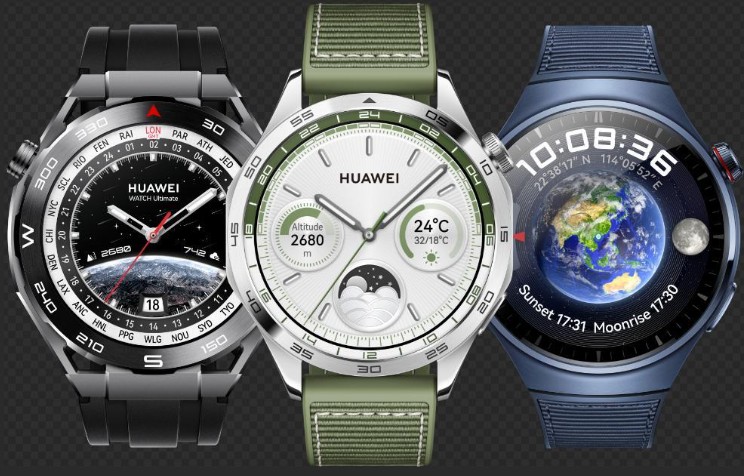
Health sticks better when it is shared. Smartwatches turn personal goals into community projects. A library hosts a “walk and talk” series where patrons discuss books while tracking steps. A small business invites staff to a month of micro-breaks, guided on the wrist with breathing prompts and stretch timers. A faith group pairs evening walks with reflective prompts members read at the end. Progress feels communal rather than competitive. People post small wins and rest days alike. Devices like the huawei watch gt6 series show how wearables can blend private tracking with group encouragement, making wellness feel welcoming. When care becomes collective, bonds deepen because success is celebrated together.

Supporting Inclusivity and Accessibility
Stronger communities include more people. Smartwatches help by offering vibration cues, large-type displays, and simplified voice replies. A resident with hearing loss gets a wrist tap for doorbell events. A new arrival to the neighborhood uses pre-set phrases to navigate a volunteer shift in a second language. A busy caregiver sets layered reminders to balance medication schedules with school pickups and still make the tenant meeting. Organizers design events with opt-in wrist prompts so participants control pace and information. Accessibility is not an afterthought; it is a baseline. The more seamlessly people can participate, the richer the community conversation becomes.
Conclusion
Smartwatches can strengthen community bonds when people use them to connect, support, and include one another. They turn private habits into shared momentum through challenges, reminders, and quick acknowledgments. They also improve safety with timely alerts and coordinated responses. Wellness becomes communal as groups track progress, rest, and recovery together. Accessibility features keep more neighbors engaged and heard. None of this replaces human contact. It simply removes friction so people meet, help, and celebrate more often. Communities grow when technology stays humble, protects privacy, and empowers choice. With that balance, a watch on the wrist can help a neighborhood feel closer every day without stealing attention or creating new barriers.


