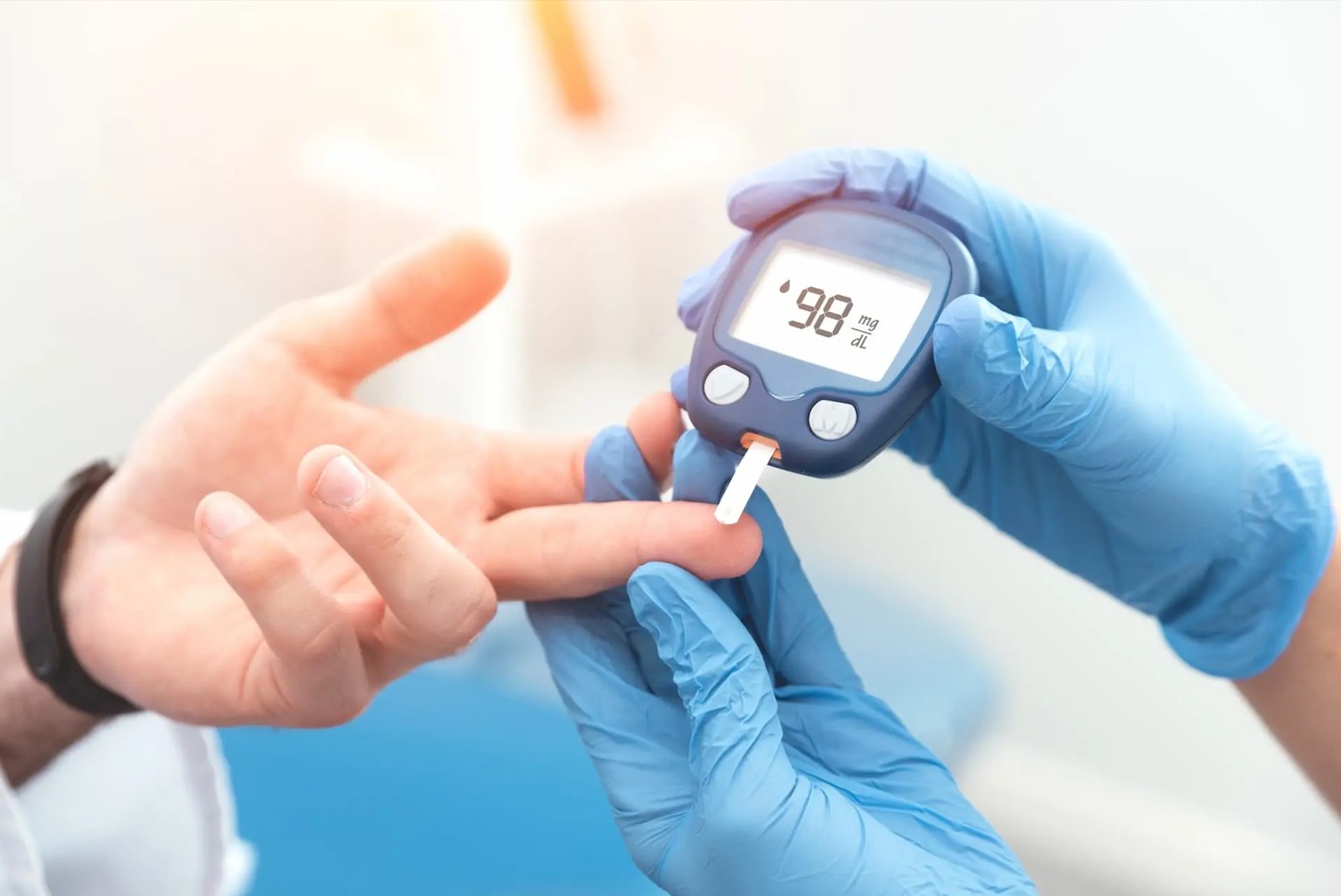
Blood glucose numbers guide thousands of everyday decisions in diabetes care. They shape meals, exercise, medication timing, and decisions about when to call a clinician. But a chart of normal and high values can mislead if it is read without timing, symptoms, and medical history.
Monitoring also sits inside a larger care pathway that includes prescriptions, devices, and pharmacy coordination. Referral platforms are one part of that landscape. In that wider system, CanadianInsulin is one example of a prescription referral platform. Where required, prescription details may be confirmed with the prescriber, and dispensing and fulfilment are handled by licensed third-party pharmacies, where permitted.
A simple set of reference ranges for blood glucose can help interpret fasting and post-meal readings, but no chart works in isolation. The same number can be routine for one patient and a warning sign for another.
How blood sugar ranges are defined
In the United States, glucose meters usually display results in mg/dL. In Canada and many other settings, the same physiology may be shown in mmol/L. A reading only makes sense when the timing is clear, because fasting, before-meal, and after-meal values are judged differently.
- Fasting, after at least eight hours without food, is often about 70 to 99 mg/dL, or 3.9 to 5.5 mmol/L, in people without diabetes.
- Two hours after a meal, many people without diabetes stay below 140 mg/dL, or 7.8 mmol/L.
- A low reading usually means below 70 mg/dL, or 3.9 mmol/L.
- A random reading at or above 200 mg/dL, or 11.1 mmol/L, with classic symptoms can support a diagnosis of diabetes, but diagnosis should be confirmed in a clinical setting.
Home readings are useful, but they are not exact copies of a lab test. Dehydration, cold hands, testing technique, and normal meter variation can all shift the number slightly. That is why clinicians look for patterns instead of reacting to one isolated result.
Typical targets for people living with diabetes
Clinical guidelines often use broad targets for many nonpregnant adults with diabetes. These are starting points, not universal rules. Targets are set by balancing the benefits of lower glucose against the risk of hypoglycemia, especially in people who use insulin or sulfonylureas.
- Before meals: 80 to 130 mg/dL, or 4.4 to 7.2 mmol/L.
- One to two hours after the start of a meal: below 180 mg/dL, or 10.0 mmol/L.
- Continuous glucose monitor goals often focus on time in range, commonly 70 to 180 mg/dL, or 3.9 to 10.0 mmol/L, for much of the day.
- Hemoglobin A1C, which reflects average glucose over about three months, is often targeted below 7% for many adults, though not for everyone.
Pregnancy, childhood, older age, kidney disease, and a recent history of severe lows can all change these goals. A lower target is not always safer if it causes frequent or hard-to-detect hypoglycemia.
Why one chart does not fit everyone
One reason charts cause confusion is that they flatten very different medical situations into one set of numbers. A young adult with newly diagnosed type 1 diabetes, an older person with type 2 diabetes and heart disease, and a pregnant patient may all be given different targets for good reason.
Common factors that shift glucose goals include:
- The type of diabetes and whether the body still makes insulin.
- Medicines that raise the risk of low blood sugar, including insulin and sulfonylureas.
- Pregnancy, when tighter control may be needed to protect both parent and baby.
- Frailty, dementia, or a history of falls, when avoiding lows may take priority.
- Illness, infection, steroid treatment, or stress, which can push glucose higher.
- Exercise, alcohol, missed meals, poor sleep, and menstrual cycle changes, which can move levels in either direction.
The device matters too. A continuous glucose monitor measures glucose in tissue fluid rather than directly in blood, so it can lag behind a finger-stick reading by several minutes, especially after meals or during exercise.
When a number becomes a safety issue
Low blood sugar
Low glucose is often the more immediate safety problem. Shaking, sweating, blurred vision, hunger, headache, irritability, and confusion are common warning signs, but some people lose the ability to feel them.
- Below 70 mg/dL, or 3.9 mmol/L, is generally treated as hypoglycemia.
- Below 54 mg/dL, or 3.0 mmol/L, is considered clinically significant and needs urgent correction.
- A severe low means the person cannot self-treat because of confusion, seizure, or loss of consciousness. That is an emergency.
- Anyone at risk of severe hypoglycemia should know their care plan and whether glucagon has been prescribed.
High blood sugar
High readings are often less dramatic at first, but they can still become dangerous. Thirst, frequent urination, blurred vision, fatigue, nausea, and weight loss can all appear when glucose stays high.
- Readings above 180 mg/dL, or 10.0 mmol/L, after meals may suggest a treatment issue if they happen often.
- Repeated readings above 240 mg/dL, or 13.3 mmol/L, deserve prompt attention, especially during illness.
- In people with type 1 diabetes or severe insulin deficiency, high glucose with ketones can lead to diabetic ketoacidosis.
- In some people with type 2 diabetes, very high glucose with dehydration and confusion can lead to a hyperosmolar emergency.
Vomiting, abdominal pain, deep or rapid breathing, confusion, or trouble staying awake are not chart problems. They are urgent medical problems.
Using readings in daily care
A single number rarely tells the full story. The safer approach is to look for patterns over several days and match them to meals, medicines, exercise, sleep, and symptoms.
Practical steps that make home readings more useful include:
- Record when the reading was taken: fasting, before a meal, two hours after eating, at bedtime, or during the night.
- Note unusual events such as strenuous exercise, alcohol, infection, steroid use, or a missed dose.
- If a CGM reading does not match how the person feels, confirm it with a finger-stick reading if the care plan advises that.
- Ask for a sick-day plan if insulin is part of treatment, including when to check ketones and when to seek urgent care.
- Seek clinical review for repeated lows, new persistent highs, or readings that interfere with normal eating, working, or sleep.
Access problems matter too. If insulin or other glucose-lowering medicines are interrupted, the risk is not only inconvenience. For some patients, especially those with type 1 diabetes, missed doses can become dangerous quickly.
The bottom line
A blood sugar chart is best used as a reference point, not a verdict. Safe ranges depend on timing, device type, symptoms, and the person’s treatment plan. The most useful question is not whether a number looks perfect on paper, but whether it fits the broader clinical picture.
Medical disclaimer: This content is for informational purposes only and is not a substitute for professional medical advice.