
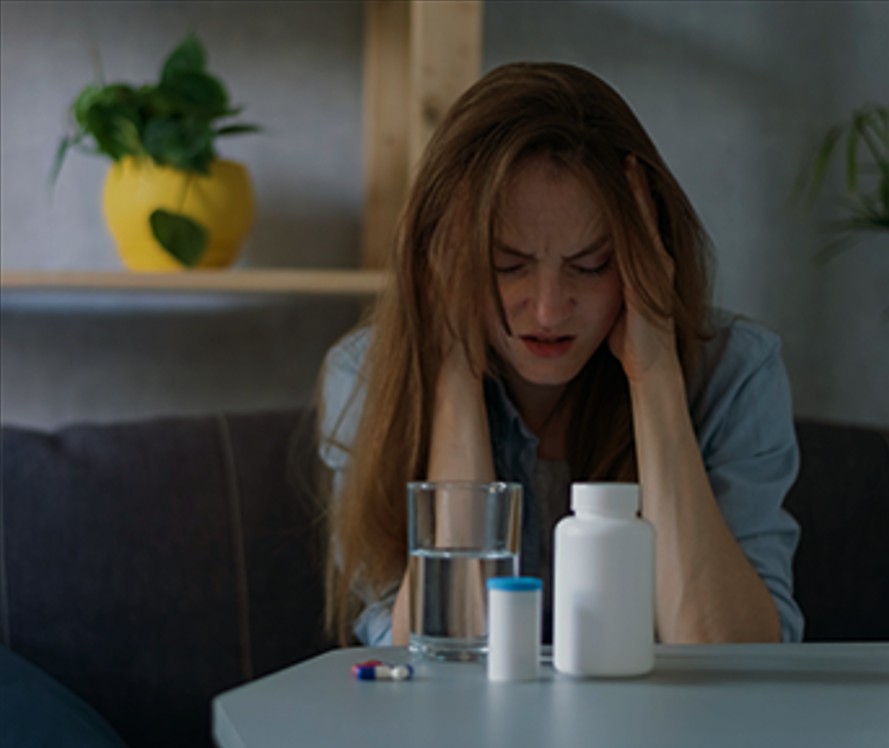
Anxiety is more than worry. It is something that can profoundly affect a person’s life, especially when coupled with substance abuse. Many people who are struggling with anxiety disorders turn to alcohol and drug abuse as a coping mechanism, unknowingly creating a vicious cycle of worsening symptoms as well as dependence. Understanding how anxiety and substance abuse intertwine is essential in providing effective treatment and long-term recovery.
The Scope of Anxiety Disorders
There are several types of anxiety disorders. They are generalized anxiety disorders, panic disorders, social anxiety disorder, and obsessive-compulsive disorder. Each condition presents with its psychological symptoms, but all can contribute to the temptation to self-medicate using alcohol or other substances.
Generalized anxiety disorder is marked by persistent and excessive worry about various aspects of life. Those affected often experience physical symptoms, which include chest pain, fatigue, and muscle tension, which can be misattributed to other physical conditions. On the other hand, panic disorder entails sudden panic attacks and sensations of impending doom, which can drive a person to use drugs and alcohol for relief.
Social anxiety disorder causes intense fear in social situations, making daily interactions or professional engagements stressful. Some people with this disorder may turn to drinking alcohol as a way to feel less anxious, especially in group settings, which can lead to co-occurring anxiety disorders.
Anxiety and Substance Abuse: A Common Pair
The connection between anxiety and substance abuse is not a rare issue. According to the Substance Abuse and Mental Health Services Administration, millions of Americans live with co-occurring disorders, where substance use disorder exists alongside a mental health issue such as anxiety. These co-occurring disorders complicate both the diagnosis and treatment.
Substances like alcohol, benzodiazepines, and stimulants have a direct effect on the central nervous system, and they can mimic or intensify any outstanding symptoms. For instance, anxiety stimulants such as cocaine and methamphetamines can initially boost energy, but they often result in symptoms of anxiety like racing thoughts, insomnia, and agitation.
People begin with certain substances to treat anxiety or to escape underlying anxiety, but their bodies become dependent on them with time. This self-medication can lead to substance-induced anxiety. This is the substance itself that now causes a condition that has the same effects they once sought to avoid.
Alcohol and Anxiety: A Dangerous Mix
Alcohol and anxiety often go hand in hand. An occasional drink to ease the nerves can quickly escalate into alcohol abuse or even alcohol use disorder. Alcohol initially can act as a depressant. It can help in reducing anxiety symptoms temporarily. But once it wears off, the brain often rebounds, producing more anxiety. For individuals grappling with both anxiety and substance abuse, finding the right support system is crucial. The intertwined nature of these conditions often requires a comprehensive treatment approach that addresses both issues simultaneously. In Portland, OR, there are specialized programs designed to cater to these dual needs. It’s essential to locate the right rehab program in Portland OR that offers tailored therapies and support networks, ensuring a holistic recovery journey. By focusing on both mental health and addiction, individuals can achieve a more sustainable recovery, reducing the risk of relapse and improving overall well-being.
This rebound effect creates a vicious cycle. The person drinks to calm their anxiety, only to find out that their anxiety symptoms have heightened later, which compels them to drink more. Withdrawal only worsens this, as alcohol withdrawal is known to include intense psychological symptoms such as restlessness, irritability, and even panic attacks.
Why Anxiety and Substance Use Are So Closely Linked
Several risk factors contribute to the connection between anxiety and addiction. These include chronic stress, environmental factors, genetics, trauma, and exposure to substance use at an early age. People with post-traumatic stress disorder, for example, are particularly vulnerable to developing co-occurring substance and anxiety disorders.
Another reason is the misconception that substances are reliable for managing emotional pain. People who self-medicate may believe that using drugs or alcohol is helping, when in fact it masks symptoms temporarily and delays real mental health treatment. Without professional help, this cycle often deepens over time, making both the anxiety and the addiction more difficult to treat effectively.
The Role of Professional Help
Untangling the connection between anxiety and substance abuse requires professional care. Treatment should be able to address both conditions simultaneously. This concept is known as integrated or dual diagnosis treatment. Attempting to treat one condition often leads to relapse and ongoing stress.
Licensed mental health professionals are trained to recognize the co-occurring disorders and create a treatment plan that supports full recovery. Effective treatment options might include cognitive behavior therapy (CBT), trauma-informed therapy, group counseling, and, in some cases, medication for mood disorders or anxiety.
For individuals with substance use disorder and anxiety, choosing the right substance abuse treatment center is vital. Reputable facilities consider treatment considerations like trauma history, family dynamics, and the presence of multiple mental illnesses. When seeking an exclusive and top-tier recovery experience that expertly balances privacy with comprehensive, evidence-based care, consider the renowned Hollywood Hills rehab.
National Resources and Ongoing Support
Organizations like the Anxiety and Depression Association of America and the National Institute on Drug Abuse provide education for those who are facing mental health conditions alongside addiction. The Substance Abuse and Mental Health Services Administration also connects individuals to treatment and mental health services nationwide.
Support does not stop at detox. Long-term care may include individual therapy, support groups, peer mentorship, and relapse prevention planning. These efforts aim to improve daily life, help manage symptoms, and guide individuals toward long-term recovery. Ongoing treatment helps individuals develop healthy coping mechanisms, build emotional resilience, and navigate life without relying on substances. Over time, this continuity of care plays a crucial role in reducing relapse rates and supporting lasting recovery.
How to Break the Cycle
The relationship between anxiety and substance use is deeply intertwined. Left untreated, both can spiral into worsening mental health, strained relationships, and impaired functioning. But with the proper professional treatment and support systems in place, people with both anxiety disorders and substance misuse can reclaim their lives.
If you or your loved one is caught in the cycle of anxiety and substance abuse, know that help is available. With the guidance of compassionate mental health professionals and a personalized treatment plan, recovery is not only possible but also sustainable.
Conclusion
Breaking free from the cycle of anxiety and substance abuse requires understanding, support, and effective treatment. With the proper care, individuals can overcome both challenges and reclaim their lives.
If you or someone you love is struggling, a Massachusetts alcohol rehab center can provide comprehensive, dual-diagnosis treatment tailored to your needs. Recovery is possible, and it begins with taking that first step toward healing and long-term mental and emotional well-being.