
A bright, white smile can light up a room and give your confidence a serious glow-up. But let’s face it, the world of teeth whitening can feel like a maze of promises and pearly-white dreams. From DIY strips to professional treatments, the options are endless—and so are the opinions. In this article, we’re breaking down the most popular whitening methods (minus the fluff) and helping you find the one that’ll have you flashing your best grin without breaking a sweat—or the bank.
Types of Teeth Whitening Methods
Over-the-Counter Products
Over-the-counter (OTC) teeth whiteners are everywhere, and for good reason—they’re affordable, convenient, and don’t require sitting in a dentist’s chair. From whitening toothpaste to strips and gels, these products are the go-to for a quick smile upgrade. Packed with mild bleaching agents like hydrogen peroxide, they’re great for tackling surface stains. But fair warning: if you’re expecting a Hollywood smile overnight, you might be in for a wait. And for those deep, stubborn stains? These products might just throw in the towel. Incorrect use, further, can irritate the gums or lead to tooth sensitivity.
In-Office Professional Whitening
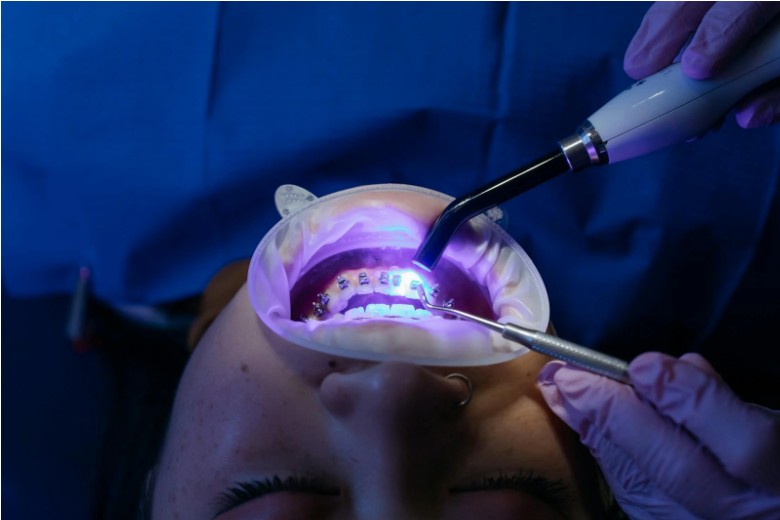
Professional whitening at Smile On Dental Clinic in Chisholm is like the VIP treatment for your teeth—fast, dramatic, and totally worth it. In just one visit, dentists can brighten your smile by several shades using powerful whitening agents (sorry, coffee stains, your time is up). The process involves protecting your gums, slathering on some potent bleaching gel, and activating it with a fancy light or laser. Sure, it’s pricier, but if you’ve got serious stains or need a dazzling smile ASAP for a big event, this is your golden ticket.
At-Home Whitening Kits from Dentists
For a more at-home option, most dentists offer custom at-home whitening kits. In contrast to OTC kits, these kits are designed with trays that fit over your teeth so that there is total contact with the bleaching agent. They use a higher concentration whitening gel than those available at drugstores, providing more total whitening with less likelihood of mottled result or sensitivity. While longer than in-office whitening to produce results, they are between professional grade and convenience.
The Need to See a Dentist
No matter what type of whitening treatment you wish to have, you must see a dentist. Your dentist will find out the reason for staining, so whatever dental issues such as cavities or gum disease there are, must be treated before whitening. They will also recommend the best way based on what you wish to do, your sensitivity, and cost. Seeking professional help increases your chances of getting safe and correct results without undue complications.
Picking the Best for You
The best whitening solution depends on a range of factors, including level of staining, cost, and optimal time frame to achieve results. If you desire an immediate, radical change, in-office procedures can’t be beat. If you don’t mind compromising effectiveness for convenience, at-home systems offered by your dentist are the next-best option. On the other hand, treatments bought over the counter are effective enough to treat surface discolouration but perhaps not when the staining is deep.
Your smile is some of what makes you, you, and having it done can be a great feeling. Regardless of the method you choose, a brighter smile starts with intelligent decisions and care of your mouth’s health. If you have no idea where to begin, call up your dentist and look into the methods best for you and the goal you have in mind.