
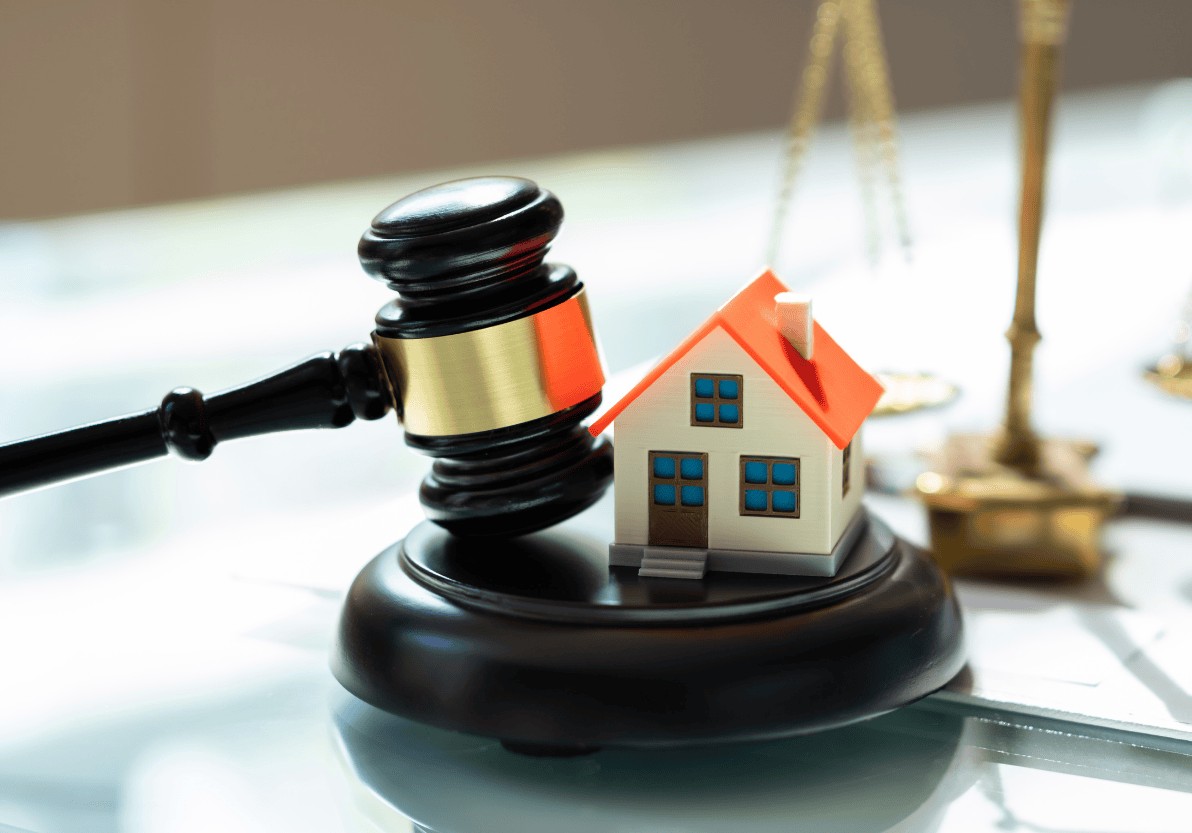
Filing for bankruptcy can be a very difficult decision, especially for people who are afraid of losing their homes. If you are from Florida, it is important to understand the implications of bankruptcy to protect your house. When facing financial stress, individuals often wonder if they are going to end up losing their only place of residence and end up on the streets.
However, you should know filing for bankruptcy might be your only chance to save your house. The law allows you to keep your house even with an overwhelming amount of debt. However, things can differ based on the bankruptcy type and your specific circumstances, such as the amount of equity and outstanding mortgage payments.
Therefore, it is crucial to speak to a Chapter 11 business bankruptcy attorney to ensure that you are taking the right steps.
What is the homestead exemption?
In Florida, the homestead exemption allows individuals filing for bankruptcy to protect an unlimited amount of equity in their primary residence. This exemption is beneficial because it removes the distress associated with losing a home and living on the streets.
However, to qualify for this exemption, your home should serve as the primary residence to you. Moreover, you must have owned the home for at least 1,215 days (approximately three years and four months) prior to filing. There are also property size limitations, where your property should not be larger than half an acre in municipal areas or 160 acres in non-urban locations.
Situations where the homestead exemption does not apply
There are certain situations where the homestead exemption does not apply. They include the following:
- The property was purchased recently (less than 1,215 days prior to filing).
- Only “natural persons” are eligible, meaning that corporations, partnerships, LLCs, or irrevocable trusts do not qualify.
- Only primary residences qualify. If it is your second home or a beach house, it will not qualify for an exemption.
- Properties that were converted into primary residences through fraudulent means will not qualify.
Factors that influence what happens to your home
There are a few factors that influence what happens to your home.
1. Home equity.
Home equity is an important factor that determines whether you can keep your home during bankruptcy. If you have little to no equity, there is a high chance of you keeping it if you file for Chapter 7 bankruptcy. However, if your home’s equity exceeds the state’s limits, your bankruptcy trustee might sell it to repay your creditors.
If you file for Chapter 13 bankruptcy, your home’s equity will determine your repayment plan’s structure.
2. The payment status on the mortgage.
Your payment status on your house mortgage is a critical factor. If you pay your mortgages on time and are current at the time of filing, you can keep your home regardless of Chapter 7 or 13. However, being behind on payments can create issues. While Chapter 13 allows you to pay your missed payments, Chapter 7 does not. Therefore, it might lead to a foreclosure.
3. State exemption laws.
Every state has different exemption laws that protect a certain amount of equity in your home. It is important to talk to an attorney specializing in Florida’s bankruptcy laws and regulations. Knowing your state’s exemption limits is crucial to understand whether you can keep your house. Otherwise, a bankruptcy trustee may sell your home to pay off your creditors.
4. Automatic stay.
When you file for bankruptcy, an automatic stay is triggered, which pauses all the collection and foreclosure procedures. This allows debtors ample time to restructure their debt or negotiate a new repayment plan with their creditors. However, it is important to come up with a solid plan quickly, as the stay usually does not last long.
Don’t lose your home!
Having an overwhelming amount of debt that you are not able to pay off can be distressing. However, everyone deserves to have a home. Hire a bankruptcy attorney in Florida today!