
Introduction: More Than Just a Bitter Snack
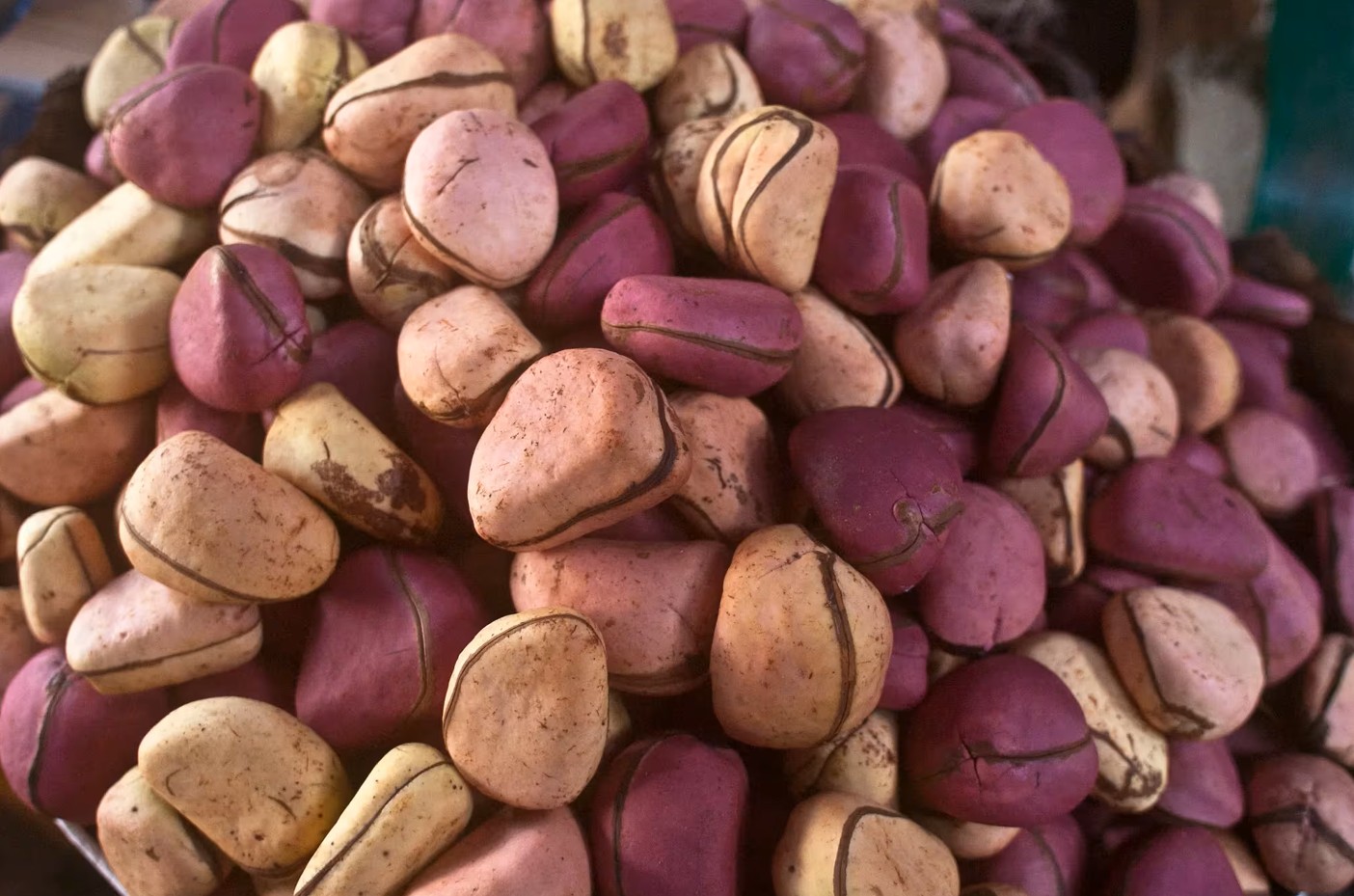
In the bustling markets of West and Central Africa, amid piles of colorful produce, you’ll often find small, brown nuts with a distinctively bitter taste being sold by traditional medicine vendors. Known scientifically as Garcinia kola and called “Ogbono” in Igbo, “Namijin goro” in Hausa, or simply bitter kola, this unassuming nut has been cherished for centuries not just as a stimulant or social offering, but as a powerful medicinal agent in African traditional healing systems.
While modern science is just beginning to validate what traditional healers have known for generations, bitter kola’s reputation extends far beyond its initial pungent bite. This comprehensive exploration goes beyond the usual lists to examine how bitter kola works, when it might be beneficial, and what the actual evidence says about its remarkable properties.
Click now: https://biologyranker.com/saridon-tablet-use-in-hindi/
The Biochemical Arsenal: What Makes Bitter Kola Special?
The potency of bitter kola comes from its unique phytochemical composition:
- Kolaviron: This complex bioflavonoid is bitter kola’s superstar compound—a natural antioxidant cocktail with demonstrated anti-inflammatory, hepatoprotective (liver-protecting), and antimicrobial properties. Unlike single antioxidant molecules, kolaviron works synergistically.
- Garcinia Biflavonoids (GB1 & GB2): These dual-molecule flavonoids are rare in nature and appear to have particular affinity for respiratory and immune system support.
- Caffeine and Theobromine: Present in moderate amounts, these stimulants explain bitter kola’s traditional use as a fatigue fighter and mental alertness enhancer, though at lower concentrations than coffee or cocoa.
- Saponins and Tannins: Contributing to both the bitterness and the medicinal effects, particularly for digestive and antimicrobial actions.
Evidence-Based Health Benefits: From Tradition to Science
1. Respiratory Health Champion
Traditional healers have long prescribed bitter kola for coughs, asthma, and chest complaints. Science now suggests why:
- Bronchodilatory Effects: Compounds in bitter kola may help relax bronchial muscles, easing breathing in conditions like asthma. A 2018 study in the Journal of Biosciences and Medicines found significant improvement in respiratory function in animal models.
- Antimicrobial Action Against Respiratory Pathogens: Research indicates effectiveness against strains of bacteria commonly involved in respiratory infections.
- Expectorant Properties: Helps loosen phlegm, making it easier to expel.
Practical Application: During cold season or in areas with high air pollution, some traditional practitioners recommend chewing a small piece morning and evening as preventive support.
2. Immune System Modulator
Unlike supplements that simply “boost” immunity (which can be problematic in autoimmune conditions), bitter kola appears to have an intelligent modulating effect:
- Adaptogenic Qualities: May help regulate immune response, potentially calming overactive responses while supporting underactive ones.
- Antiviral Potential: Preliminary research, including studies from the Journal of Pharmaceutical and Allied Sciences, suggests compounds in bitter kola may inhibit viral replication mechanisms, particularly against some strains of influenza.
- Macrophage Activation: May enhance the activity of these crucial “first responder” immune cells.
3. Diabetes Management Support
In a region facing growing diabetes challenges, bitter kola offers intriguing possibilities:
- Blood Glucose Regulation: Multiple animal studies, including one published in the Journal of Ethnopharmacology, show significant blood sugar-lowering effects, possibly by enhancing insulin sensitivity or glucose uptake.
- Prevention of Diabetic Complications: The antioxidant properties may help protect against oxidative damage to blood vessels, nerves, and organs commonly seen in diabetes.
- Important Caveat: This does NOT mean bitter kola replaces diabetes medication, but it could be a supportive complementary approach under medical supervision.
4. Osteoarthritis and Joint Health
The anti-inflammatory effects of kolaviron have particular relevance for joint health:
- Cartilage Protection: Research suggests bitter kola extracts may inhibit enzymes that break down cartilage in osteoarthritis.
- Pain Reduction: Comparable in some studies to low doses of conventional anti-inflammatories, but with different side effect profiles.
- Traditional Use: Elderly people in many African communities chew bitter kola daily for “joint lubrication,” a practice now finding scientific support.
5. Male Reproductive Health
Perhaps one of the most culturally recognized uses is for male vitality:
- Testosterone Support: Some studies indicate possible testosterone-enhancing effects, though human trials are limited.
- Prostate Health: Anti-inflammatory properties may benefit prostate health, though claims about “curing” prostate issues require more research.
- Cultural Context: In many West African traditions, bitter kola is served at weddings and given to new grooms, symbolizing and potentially supporting male fertility.
6. Antimicrobial and Antiparasitic Warrior
In regions where pharmaceutical antibiotics are expensive or inaccessible, bitter kola serves as a broad-spectrum antimicrobial:
- Effective Against Drug-Resistant Strains: Surprisingly, some research shows activity against methicillin-resistant Staphylococcus aureus (MRSA) and other resistant pathogens.
- Malaria Support: Traditional use against malaria finds some support in research showing activity against malaria parasites, particularly in early stages.
7. Neurological Protection
Emerging research points to potential cognitive benefits:
- Neuroprotective Effects: Animal studies suggest protection against neurotoxins and possible benefits in neurodegenerative conditions.
- Memory Enhancement: Traditional use as a “brain stimulant” during long study sessions or demanding mental work may have a pharmacological basis.
- Mood Modulation: Possible mild antidepressant effects through neurotransmitter modulation.
Read : https://biologyranker.com/disprin-tablet-use-in-hindi/
Practical Consumption: How to Use Bitter Kola Safely
Traditional Methods:
- Direct Chewing: The most common method. Start with a small piece (about 1/4 of a nut) to assess tolerance to the bitterness.
- Powder Form: Dried and powdered nuts can be added to foods or drinks, though the taste remains pronounced.
- Tea/Infusion: Soaking crushed nuts in hot water creates a medicinal tea, somewhat reducing bitterness while extracting water-soluble compounds.
Modern Preparations:
- Standardized Extracts: Available in some markets, offering controlled dosages.
- Tinctures: Alcohol extracts that preserve the active compounds.
- Capsules: For those who cannot tolerate the bitter taste.
Dosage Considerations:
There is no universally established dose, but traditional use suggests:
- For general wellness: 1-2 small pieces daily
- For acute conditions: Up to 3-4 pieces daily for short periods
- Powder: 500mg-2g daily
- Always start with minimal amounts
Important Cautions and Contraindications
- Pregnancy and Breastfeeding: Traditional advice strongly cautions against use during pregnancy, particularly in the first trimester, due to uterine stimulant effects.
- Hypertension: While some sources claim it lowers blood pressure, the caffeine content might elevate it in sensitive individuals. Monitor carefully.
- Surgery: Discontinue at least two weeks before scheduled surgery due to potential effects on blood sugar and blood pressure.
- Drug Interactions: May interact with diabetes medications (potentially causing hypoglycemia), blood pressure drugs, and stimulants.
- Excessive Consumption: Can lead to insomnia, anxiety, gastrointestinal upset, or palpitations due to stimulant compounds.
The Sustainability Question: Conservation Challenges
Increased commercial interest in bitter kola raises ecological concerns:
- Slow Growth: Garcinia kola trees take 7-10 years to mature and produce nuts.
- Deforestation: Habitat loss threatens wild populations.
- Cultivation Solutions: Encouraging farm cultivation rather than wild harvesting is crucial for preservation. Some West African governments are now promoting bitter kola plantation programs.
Conclusion: Bridging Traditional Wisdom and Modern Science
Bitter kola represents a fascinating intersection of cultural tradition and emerging science. Its benefits—particularly for respiratory health, inflammation, and metabolic support—are supported by growing research, though more human clinical trials are needed.
Popular: https://biologyranker.com/nice-tablet-use-in-hindi/
What makes bitter kola truly remarkable is its complexity—it doesn’t contain one “magic bullet” compound but rather a symphony of phytochemicals that work together, much like traditional herbalists have always claimed. This synergy might explain why isolated compounds from bitter kola sometimes show less effectiveness than the whole nut or crude extract.
As with any potent botanical, the key is informed, moderate use—respecting both its power and its limitations. For the African diaspora and health seekers worldwide, bitter kola offers not just a connection to ancestral wellness practices, but a genuinely promising addition to the natural health arsenal, particularly when used as part of a holistic approach to wellbeing.
Perhaps the greatest lesson of bitter kola is this: sometimes the most powerful medicines don’t come in sweet, easy-to-swallow packages, but in small, bitter nuts that remind us healing often requires embracing complexity, respecting tradition, and approaching nature’s gifts with both curiosity and caution.
Medical Disclaimer: This article is for informational purposes only and is not medical advice. Bitter kola is a potent botanical medicine with pharmacological effects. Consult with a healthcare professional, preferably one knowledgeable about herbal medicine, before using bitter kola, especially if you have health conditions or take medications. Do not use bitter kola to replace prescribed treatments without medical supervision.