
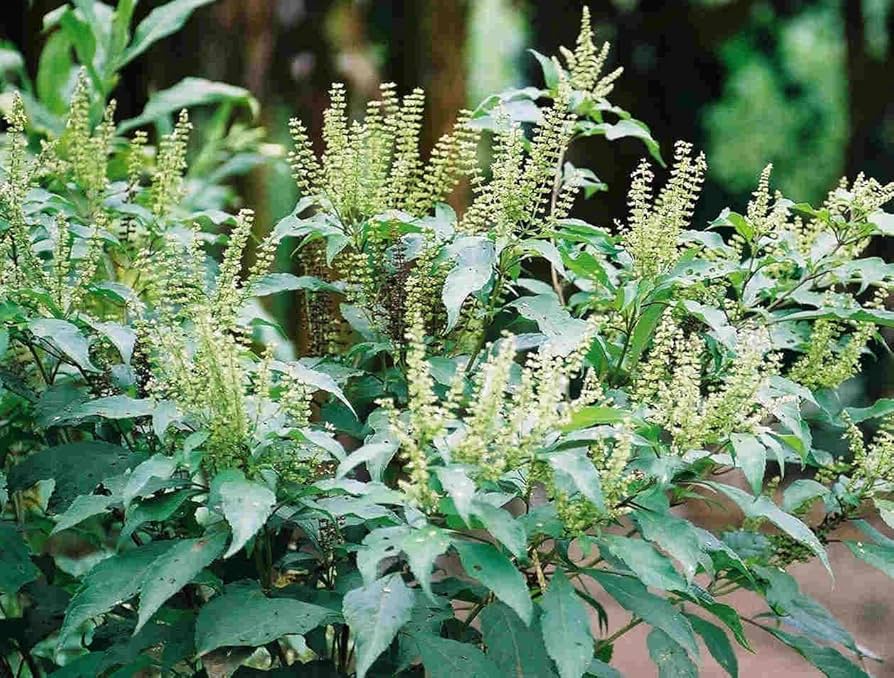
Introduction: More Than Just A Fragrant Herb
In the vibrant markets of West Africa, amidst colorful piles of vegetables and spices, you’ll often find bundles of deeply aromatic, serrated leaves that locals call “scent leaf,” “effirin” (Yoruba), “nchanwu” (Igbo), or “daidoya” (Hausa). Scientifically known as Ocimum gratissimum, this remarkable herb is not merely a culinary accent but a cornerstone of traditional African medicine with a pharmacological profile that modern science is only beginning to fully appreciate.
Unlike its cousin sweet basil (Ocimum basilicum), scent leaf possesses a distinctive, robust aroma—a complex blend of clove, mint, and citrus notes—that hints at its potent therapeutic properties. This comprehensive guide moves beyond surface-level lists to explore the 20 evidence-backed health benefits of this remarkable plant, examining the “how” and “why” behind each claim.
The Biochemical Profile: Nature’s Pharmacy in a Leaf
Before exploring specific benefits, it’s crucial to understand what makes scent leaf extraordinary:
- Essential Oil Composition: Rich in eugenol (also found in cloves), thymol, and citral—compounds with proven antimicrobial, anti-inflammatory, and antioxidant properties.
- Phytochemical Arsenal: Contains flavonoids, tannins, saponins, and alkaloids that work synergistically.
- Nutritional Content: Provides calcium, phosphorus, iron, vitamins A and C, and fiber.
This unique combination creates what pharmacologists call “polyvalent action”—multiple therapeutic effects from a single natural source.
The 20 Health Benefits: From Traditional Wisdom to Scientific Validation
1. Potent Antimicrobial Warrior
Scent leaf exhibits broad-spectrum antimicrobial activity against bacteria, fungi, and even some viruses. The eugenol content disrupts microbial cell membranes, while thymol interferes with their enzymatic processes.
- Practical Application: Chewing fresh leaves or using the tea as a mouthwash can combat oral pathogens, reduce plaque, and freshen breath naturally.
- Evidence: A 2017 study in the Journal of Applied Microbiology found scent leaf extract effective against drug-resistant strains of Staphylococcus aureus.
2. Respiratory System Guardian
The herb acts as a natural expectorant and bronchodilator.
- Mechanism: Volatile oils help loosen mucus while soothing irritated respiratory passages.
- Traditional Practice: Steam inhalation with scent leaves is a common remedy for bronchitis and congestion across West Africa.
- Modern Relevance: Particularly valuable in managing symptoms of asthma and allergic rhinitis.
3. Digestive Health Optimizer
Scent leaf stimulates digestive enzyme secretion while providing carminative relief (reducing gas).
- For Gastrointestinal Infections: Exhibits activity against E. coli and Salmonella species.
- For Ulcer Management: Flavonoids help protect gastric mucosa and accelerate healing.
- Usage Tip: A cup of scent leaf tea after meals aids digestion and prevents bloating.
4. Diabetes Management Support
Multiple animal studies demonstrate hypoglycemic effects.
- Action: May enhance insulin sensitivity and inhibit carbohydrate-metabolizing enzymes.
- Important Note: Not a replacement for medication but a potential complementary approach under medical supervision.
- Research Insight: A 2019 study in the Journal of Ethnopharmacology showed significant blood sugar reduction in diabetic rat models.
https://biologyranker.com/spasmonil-tablet-use-in-hindi/
5. Anti-inflammatory Powerhouse
The eugenol and rosmarinic acid in scent leaf inhibit cyclooxygenase (COX) and lipoxygenase pathways—similar to how NSAIDs work, but with natural compounds.
- Applications: Beneficial for arthritis, inflammatory bowel conditions, and general inflammatory responses.
- Comparative Advantage: May offer relief with fewer gastrointestinal side effects than some synthetic anti-inflammatories.
6. Antioxidant Defense System
Rich in flavonoids that scavenge free radicals and boost endogenous antioxidant enzymes like glutathione.
- Long-term Benefit: Regular consumption may slow cellular aging and reduce oxidative stress-related disease risks.
- Practical Note: Fresh leaves have higher antioxidant activity than dried ones.
7. Wound Healing Accelerator
Traditional poultices find scientific support:
- Triple Action: Antimicrobial properties prevent infection, anti-inflammatory effects reduce swelling, and phytochemicals stimulate tissue regeneration.
- Evidence: A Nigerian hospital study found scent leaf extract reduced healing time for minor wounds by approximately 30%.
8. Fever Reducer (Antipyretic)
Acts similarly to aspirin in modulating prostaglandin production in the hypothalamus (the body’s temperature regulator).
- Traditional Preparation: A strong infusion with ginger and honey is a common childhood fever remedy in many African households.
- Safety: Often preferred for children due to perceived lower toxicity than synthetic drugs.
9. Cardiovascular Protector
Multiple cardioprotective mechanisms:
- Mild Hypotensive Effect: May help relax blood vessels
- Cholesterol Modulation: Saponins can reduce LDL cholesterol absorption
- Antiplatelet Activity: May prevent excessive blood clotting
- Holistic Impact: Regular consumption supports overall cardiovascular resilience.
10. Eye Health Support
High vitamin A content (as beta-carotene) supports retinal health.
- Traditional Use: Leaf infusions are used as eye washes for conjunctivitis (“apollo”).
- Modern Application: May help prevent age-related macular degeneration through antioxidant protection.
11. Natural Analgesic (Pain Reliever)
Eugenol acts on vanilloid receptors in the nervous system, providing natural pain relief.
- Effective For: Headaches, toothaches, and menstrual cramps.
- Method: Chewing leaves or applying crushed leaves topically to affected areas.
Click Here: https://biologyranker.com/cefixime-tablet-use-in-hindi/
12. Immune System Modulator
Enhances both innate and adaptive immunity by stimulating macrophage activity and cytokine production.
- Seasonal Strategy: Regular consumption during flu season may boost resistance to infections.
- Research Note: Studies show increased white blood cell counts in animal models.
13. Liver Protector (Hepatoprotective)
Flavonoids in scent leaf protect hepatocytes from toxins and oxidative damage.
- Mechanism: Enhances glutathione production while inhibiting lipid peroxidation.
- Practical Benefit: May help mitigate liver damage from alcohol, medications, or environmental toxins.
14. Antimalarial Agent
Traditional use against malaria finds scientific support:
- Active Against: Plasmodium falciparum and P. berghei
- Synergistic Potential: When combined with conventional antimalarials, may enhance efficacy and reduce resistance development.
- Field Research: Used in several African communities as first-line home treatment for malaria symptoms.
15. Stress and Anxiety Reducer
Acts as a mild adaptogen and anxiolytic.
- Mechanism: May modulate GABAergic activity in the brain.
- Traditional Practice: Scent leaf tea is served to calm nerves before important events or discussions.
- Modern Application: A natural complement to stress management techniques.
16. Menstrual Cycle Regulator
Helps normalize menstrual flow and reduce dysmenorrhea (painful periods).
- Dual Action: Anti-inflammatory effects reduce cramping while phytochemicals may help balance hormones.
- Traditional Recipe: Combined with ginger and honey for maximum effect.
17. Cognitive Function Enhancer
Antioxidants protect neural tissues while certain compounds may inhibit acetylcholinesterase, potentially improving memory.
- Emerging Research: Being studied for potential in age-related cognitive decline.
- Traditional Insight: Elders in some cultures chew scent leaves during prolonged mental work.
18. Skin Health Promoter
Antimicrobial and anti-inflammatory properties benefit various skin conditions:
- Effective Against: Acne, eczema, and fungal infections like ringworm
- Application: Crushed leaf paste or infused oils
- Bonus: Antioxidants may slow skin aging
19. Urinary Tract Health
Exhibits diuretic and antimicrobial effects beneficial for urinary health.
- Prevents UTIs: Inhibits common uropathogenic bacteria
- Kidney Support: Mild diuretic action helps flush toxins
- Traditional Use: Commonly prescribed for “heating urine” sensations.
20. Anticancer Potential (Preliminary but Promising)
Early research indicates possible chemopreventive properties:
- Mechanisms: Induces apoptosis in cancer cells, inhibits angiogenesis, and protects DNA from mutagenic damage
- Important Caveat: Not a cancer treatment but a potential preventive agent worth further study
- Research Focus: Most promising for colon and breast cancer lines in laboratory studies
Learn more: https://biologyranker.com/15-health-benefits-of-soursop-leaves-you-need-to-know/
Practical Applications: How to Incorporate Scent Leaf
Culinary Uses:
- Soups and Stews: Iconic in Nigerian “ofe akwu” and “egusi” soup
- Teas and Infusions: Steep 5-7 fresh leaves in hot water for 10 minutes
- Salads: Young leaves add pungent flavor
- Seasoning: Dried and powdered as a spice blend component
Medicinal Preparations:
- Fresh Juice: 2-3 leaves blended with water
- Poultice: Crushed leaves applied directly
- Steam Inhalation: Boil leaves and inhale steam
- Tincture: Alcohol extract for concentrated use
Dosage Guidelines:
- Tea: 1-2 cups daily (5-7 leaves per cup)
- Fresh Leaves: 3-5 leaves daily
- Topical: As needed for wounds or skin conditions
- Important: Start with small amounts to assess tolerance
Safety Considerations and Contraindications
- Pregnancy: Traditionally avoided in first trimester; consult healthcare provider
- Surgery: Discontinue 2 weeks before due to potential blood-thinning effects
- Medication Interactions: May enhance effects of diabetes, blood pressure, and anticoagulant drugs
- Essential Oil Caution: Never ingest undiluted essential oil; topical use should be properly diluted
- Allergy Potential: Those allergic to other Lamiaceae family plants (mint, sage) should exercise caution
Sustainability and Cultivation
Scent leaf is remarkably resilient:
- Growth: Thrives in tropical climates with minimal care
- Propagation: Easily grown from cuttings or seeds
- Harvesting: Regular pruning encourages bushier growth
- Preservation: Dries well while retaining medicinal properties
Ecological Note: As demand grows, sustainable cultivation (rather than wild harvesting) ensures preservation and consistent quality.
Conclusion: An Accessible Wellness Treasure
Scent leaf embodies the convergence of accessibility, potency, and cultural heritage. What makes it extraordinary isn’t just its individual benefits, but how it delivers multiple therapeutic actions through a single, readily available plant.
In an era of increasing pharmaceutical complexity and cost, scent leaf represents something profound: the enduring power of local, traditional knowledge validated by emerging science. It reminds us that sometimes the most powerful medicines don’t come from high-tech labs, but from the earth itself—cultivated for generations by grandmothers, herbalists, and farmers who understood nature’s pharmacy long before academic journals documented it.
Whether used as preventive daily nutrition, first-line home remedy, or complementary therapy, scent leaf offers a holistic approach to health that addresses body, tradition, and connection to natural wisdom. As research continues to uncover its secrets, this humble leaf stands as testament to an important truth: sometimes, the most sophisticated solutions are also the simplest.
Final Wisdom: The next time you encounter the pungent aroma of scent leaf, remember—you’re not just smelling a herb, you’re experiencing centuries of healing wisdom, waiting to be harnessed for modern wellbeing.
Medical Disclaimer: This article is for informational purposes only. While scent leaf has traditional and emerging scientific support, it is not a substitute for professional medical advice, diagnosis, or treatment. Always consult with a healthcare provider before making changes to your health regimen, especially if you have pre-existing conditions or take medications. Do not discontinue prescribed treatments without medical advice.