
How Advanced Engineering is Revolutionizing Global Pita Production
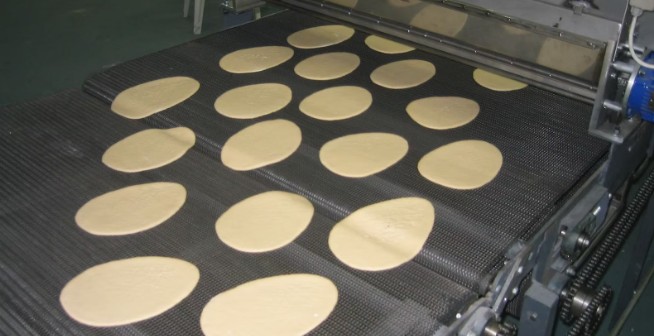
If you’ve ever torn into a warm, fluffy pita bread, you know that the “pocket” isn’t just a happy accident, it’s a feat of physics. But have you ever wondered how that magic happens at a scale of 16,000 pitas per hour? In the world of industrial baking, achieving that level of perfection across every single unit requires more than just a good recipe; it requires a marriage of high-level engineering and biological precision.
Let’s pull back the curtain on the technology that powers the world’s most successful flatbread bakeries and see why the right equipment is the difference between a mediocre product and a market-leading one.
Thermal Dynamics and the “Pocket” Phenomenon
Why does pita puff? It’s all about the sudden conversion of moisture into steam. To get that iconic separation, the dough needs a “thermal shock” that is both intense and incredibly brief. This is where the magic of industrial tunnel ovens comes into play. These aren’t your kitchen ovens; they are precision-engineered environments where temperatures are strictly regulated to ensure the dough rises instantly without drying out.
Imagine a tunnel of heat where every square inch is calibrated. As the dough travels through, the outer layers sear and trap the steam inside, creating the pocket. If the heat is off by even a few degrees, you end up with a flat cracker instead of a pita. It’s a delicate biological dance performed at hundreds of degrees Celsius, and only the most advanced thermal engineering can keep that dance consistent for 24 hours a day.
Beyond the Bakery: The Engineering Behind Industrial Pita Production
When we think of a bakery, we often imagine flour-dusted hands and rolling pins. However, at the industrial level, we are talking about a symphony of “fire and steel.” Since 1957, Polka Ltd. has been the conductor of this symphony. Founded by Chanan Polka, this family-led legacy has spent over six decades perfecting the pita bread production line.
It’s not just about moving dough from point A to point B; it’s about controlling variables. Think of a production line as a high-performance sports car. If one gear is out of sync, the whole machine loses its edge. For a bakery to thrive in today’s competitive landscape, they need equipment that doesn’t just work, it dominates. Polka’s machines are built to be the “heirloom” pieces of the industrial world, designed with a durability that often outlasts the buildings they are housed in.
Scalability: From 2,500 to 16,000 Units Per Hour
In business, “scale” is the word of the day. If you can’t grow, you’re stagnant. But how do you scale a bakery without losing that “authentic” feel? The secret lies in automation that mimics the gentle touch of a baker’s hand. Whether you are a boutique supplier producing 2,500 units or a global powerhouse pushing 16,000, the machinery must be able to handle the volume without punishing the dough.
High-output systems allow businesses to meet the demands of massive supermarket chains while keeping labor costs low. It’s like upgrading from a garden hose to a fire hydrant, the sheer volume of production possible with modern automated lines is what allows pita to go from a local specialty to a global staple.
Why Global Food Leaders Choose POLKA Solutions
When you’ve been in the game for over 65 years, you don’t just build machines; you build trust. Global food leaders look for reliability because every minute of downtime is lost revenue. Polka’s reputation is built on the “fire and steel” philosophy, using heavy-duty materials that can withstand the brutal environment of a high-temperature bakery.
Choosing a partner like Polka isn’t just a purchase; it’s an investment in a legacy of expertise. The focus has always been on being the “Gold Standard.” When the stakes are high and the ovens are hot, you want a name that has stood the test of time.
Investing in the Future of Flatbread
The pita industry is exploding globally as consumers look for healthier, more versatile bread options. To stay ahead, you need more than a recipe; you need a technological edge. The future of baking isn’t just in the ingredients, it’s in the precision of the bake, the efficiency of the line, and the durability of the steel.