The Essentials of Cardiac Rehab: What You Need to Know
Understanding the Cardiac Rehab Journey
Cardiac rehabilitation (cardiac rehab) represents a pivotal transitional journey for individuals recovering from cardiovascular events such as heart attacks, coronary bypass surgeries, or heart valve repairs. This specialized program is meticulously designed to not only speed up recovery but also to instill long-lasting heart health. The journey often begins immediately following a cardiac event, where patients are introduced to essential health assessments and individualized care plans that align with their health conditions, fitness levels, and personal goals.
At its core, cardiac rehab encompasses a structured exercise regime, nutritional counseling, education on heart-healthy living, and emotional support. Programs last anywhere from a few weeks to several months, depending on the patient’s needs. Throughout this process, participants work closely with a multidisciplinary team of health professionals who are dedicated to ensuring a comprehensive approach to their recovery. This team typically includes cardiologists, nurses, exercise physiologists, dietitians, and therapists who understand the barriers and challenges of cardiac recovery.
Key Components of a Successful Program
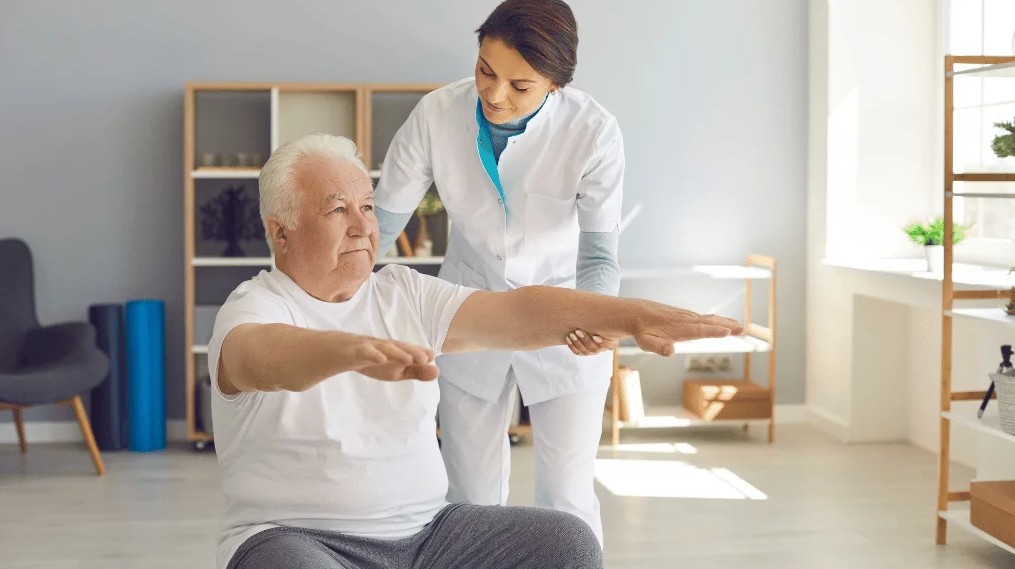
A successful cardiac rehab program is multifaceted and tailored to meet the specific needs of each participant. Central to any program is a personalized exercise plan, which starts with supervised workouts in a clinical setting, ensuring safety and efficacy. Patients are gradually encouraged to progress towards independent exercise, bridging the gap between clinical care and everyday life. This includes aerobic activities, strength training, flexibility exercises, and education on how to monitor their own physical responses during exercise.
Another critical component is nutrition education, which is essential for modifying dietary habits that contribute to heart disease. This often includes guidance on understanding food labels, meal planning, and adopting a heart-healthy diet characterized by vegetables, fruits, whole grains, lean proteins, and healthy fats. The role of lifestyle modification cannot be overstated; patients are trained to recognize and change unhealthy behaviors, such as smoking cessation and managing stress levels, through mindfulness techniques or counseling.
Lastly, ongoing education about heart health, medications, and regular follow-ups with healthcare providers ensures that patients remain informed and empowered in managing their health even after completing the program. This holistic approach maximizes the chances of achieving lasting lifestyle changes that significantly improve overall cardiovascular health.
Who Benefits Most from Cardiac Rehabilitation?
While cardiac rehabilitation is beneficial for individuals recovering from various cardiovascular conditions, certain populations may experience particularly significant improvements. Those suffering from recent myocardial infarctions, such as heart attacks, often find themselves immediately recommended for rehab due to the critical need for structured recovery. Additionally, patients who have undergone surgical interventions, such as coronary artery bypass grafting (CABG) or valve replacements, are ideal candidates for these programs, as the focused physical activity and educational components can help strengthen the heart post-operation.
Moreover, individuals with chronic heart conditions, such as congestive heart failure or peripheral artery disease, can greatly benefit from tailored rehabilitation programs that not only improve their current conditions but also prevent further escalation of symptoms. Even older adults, who may have multiple comorbidities, stand to gain immensely from cardiac rehab, as the program helps enhance their quality of life through increased independence and reduced symptoms.
Ultimately, anyone committed to improving their cardiovascular health and reducing the risk of future cardiac events will gain advantages from participating in a structured cardiac rehabilitation program. The key is to recognize the importance of early participation and actively engaging in the rehabilitation process.
Finding the Right Program in Mulberry: A Guide to Local Services
Top-Rated Cardiac Rehab Centers Worth Exploring
When it comes to selecting an effective cardiac rehab in Mulberry, several top-rated facilities stand out for their comprehensive care, advanced technologies, and patient-centered approaches. Local health systems often provide specialized outpatient programs designed to meet the diverse needs of individual patients. Among them, Mulberry Community Hospital is widely recognized for offering one of the most respected cardiac rehabilitation programs in the area, supported by a team of certified cardiac specialists and evidence-based practices focused on long-term heart health recovery.
Another well-regarded option for cardiac rehab in Mulberry is the Heart Health Wellness Center, which incorporates modern heart-monitoring technology to ensure patients are closely observed during exercise sessions. Their emphasis on personalized programs tailored to each patient’s fitness level makes them a preferred choice for many local residents. Additionally, several clinics collaborate with larger health networks, providing access to expanded services such as telehealth consultations that support continued progress beyond in-person visits.
Reviewing patient feedback and program outcomes can offer valuable insight into what each facility provides. Many cardiac rehab centers invite prospective patients to attend introductory sessions or open houses, allowing them to ask questions and become familiar with the environment. Choosing the right program plays a key role in building confidence, motivation, and consistency throughout the recovery process.
Expert Guidance: Meet the Professionals Behind Mulberry’s Best Programs
The backbone of any successful cardiac rehabilitation program is the team of dedicated professionals who guide patients throughout their recovery. In Mulberry, highly skilled cardiologists, exercise physiologists, nutritionists, and mental health specialists collaborate to create an environment conducive to healing and empowerment. Locally respected cardiovascular specialists often lead the programs, providing clear expertise in managing heart health issues. Their passion for patient care, paired with years of specialized training, ensures that each aspect of the rehabilitation process is thoroughly addressed.
Exercise physiologists play a pivotal role as well. These professionals design and monitor physical fitness regimens tailored to each patient’s capabilities and goals. Their expertise in cardiac physiology means they can tailor exercise routines that are both safe and effective, significantly improving recovery outcomes. Furthermore, nutritionists work hand-in-hand with patients to develop sustainable dietary habits that will ensure ongoing heart health. They offer workshops and one-on-one consultations, helping to demystify the complexities of heart-healthy eating.
Also vital in this recovery journey is the support provided by mental health experts, such as licensed counselors or psychologists, who understand the emotional and psychological stresses associated with recovering from a cardiac event. Their contributions ensure that psychological resilience is built alongside physical recovery, forming a holistic approach that significantly enhances the likelihood of long-term success.
Patient Experiences: Real Stories from Local Cardiac Rehab Graduates
Nothing resonates more than real-life testimonials from those who have successfully navigated cardiac rehabilitation in Mulberry. Many graduates of local programs often share inspiring stories that highlight the critical impact of rehabilitation on their lives. One such success story comes from a local patient, Jane, who experienced a heart attack at the age of 57. Through Mulberry Community Hospital’s program, she not only regained her physical strength but also learned invaluable skills that helped her manage stress and adopt healthier lifestyle choices. Jane fondly recalls the sense of community developed among the participants, which helped with motivation during challenging times.
Another heartwarming account comes from Michael, a retired school teacher who struggled with obesity and high blood pressure for years. After enrolling in Heart Health Wellness Center’s cardiac rehab program, he embraced not only the physical exercise but also the nutritional education provided. His commitment led to significant weight loss, reduced blood pressure, and ultimately, the ability to engage in activities he’d long given up, such as hiking and playing with his grandchildren. He often emphasizes the combination of professional expertise and personal care he encountered during his rehabilitation journey.
These stories underscore the often transformational experience cardiac rehab provides, revealing how it can alter lives not only from a physical perspective but also by fostering emotional strength and forging lasting community connections. Prospective patients can find solace in such narratives as they consider stepping into their own rehab journeys.
Innovative Techniques in Cardiac Rehab: Beyond the Basics
Integrating Technology for Enhanced Recovery
The advent of technology in healthcare has revolutionized cardiac rehabilitation, offering exciting innovations that enhance patient care and outcomes. In Mulberry, many cardiac rehab programs have embraced digital health solutions that enable remote monitoring of patients’ health, allowing for timely adjustments to rehabilitation plans without requiring in-person visits. Wearable devices that track heart rates, blood pressure, and physical activity levels provide valuable data that healthcare teams can access in real time, ensuring that any concerning trends are addressed swiftly.
Additionally, many programs now utilize mobile health applications where patients can log their dietary intake, exercise sessions, and mood changes. These programs not only aid in adherence but also foster accountability, making it easier for patients to stay motivated on their path to recovery. The implementation of telehealth platforms has also proven invaluable, especially for older adults or those with mobility challenges. Patients can attend virtual therapy sessions or follow-up appointments with their cardiac rehab teams from the comfort of their homes, addressing barriers that might prevent them from consistently attending in-person meetings.
Overall, the integration of technology simplifies communication between patients and healthcare providers, facilitating a more engaged and informed patient population. As innovations continue to evolve, the future of cardiac rehab looks promising with the potential for enhanced patient-centered care.
The Role of Nutrition and Lifestyle Modifications
A successful cardiac rehabilitation program goes far beyond mere exercise; it encompasses a comprehensive lifestyle overhaul, prominently featuring nutrition as a cornerstone strategy. Cardiovascular disease and unhealthy eating often go hand in hand, making dietary interventions an essential step towards recovery and prevention. Participants are educated about heart-healthy nutrition, including the Mediterranean and DASH (Dietary Approaches to Stop Hypertension) diets, both known for their benefits in promoting cardiovascular health. These diets emphasize the consumption of whole grains, fruits, vegetables, and healthy fats while reducing sodium intake and processed foods.
Cooking demonstrations, meal planning workshops, and nutritional education sessions become regular staples of rehab programs. The objective is to empower patients to make informed food choices while helping them navigate everyday situations, such as dining out or grocery shopping with confidence. One major aspect that patients often engage with is learning to cook simple, nutritious meals that satisfy their taste buds while adhering to healthier guidelines.
Sustainable lifestyle modifications are another crucial element researched extensively in cardiac rehab settings. These modifications are tailored to the individual experience, emphasizing gradual changes that lead to lasting habits such as routine physical activity, smoking cessation, and stress management through techniques like yoga and meditation. Various tools are presented, such as mobile apps for tracking physical activity, which demonstrate how integrated changes coalesce into a more heart-healthy lifestyle. Through these concerted efforts in education and practical application, individuals begin to see tangible results, ultimately leading to lasting improvements in their health and well-being.
Incorporating Mental Wellness: The Psychological Aspect of Rehab
In recognizing that heart health is intricately linked to mental and emotional well-being, many programs in Mulberry have begun prioritizing the psychological aspects of rehabilitation. After experiencing a life-altering cardiac event, many patients may grapple with anxiety, depression, or fear of reoccurrence a phenomenon known as “cardiac anxiety.” Addressing these emotional challenges upfront is essential for a comprehensive rehabilitation experience, as unresolved mental health issues can impede a patient’s ability to engage fully in their recovery process.
Cognitive behavioral therapy (CBT), group therapy sessions, and mindfulness-based stress reduction techniques are increasingly integrated into cardiac rehab programs. These tools help participants manage stress, foster resilience, and build effective coping strategies. For instance, group therapy sessions allow individuals to share experiences, bond over shared challenges, and create a support network that extends beyond the program’s duration. In this compassionate environment, patients learn that they are not alone in navigating the emotional hurdles linked to their cardiac events; instead, they can find strength and solidarity in one another.
Emerging research continues to illustrate the strong link between positive mental health and long-term cardiac outcomes, emphasizing the significance of holistic care that addresses both physical and emotional dimensions of health. By prioritizing mental wellness within cardiac rehab, individuals emerge not only as survivors but as empowered advocates for their own health, making strides toward both physical and psychological recovery that are essential for sustained well-being.
Your Path to Heart Health: Tips for a Life Beyond Cardiac Rehab
Creating a Sustainable Exercise Routine Post-Rehab
Completing a cardiac rehabilitation program marks a significant milestone in one’s recovery journey, but it is merely the first step toward a lifetime of cardiovascular health. Transitioning from supervised rehabilitation to an independent exercise routine can present challenges, which is why it’s crucial to establish sustainable habits that will continue to promote heart health. Primary recommendations include setting realistic goals, identifying enjoyable physical activities, and maintaining consistency. Setting incremental goals, such as increasing activity frequency or duration, can lead to sustainable lifestyle changes without overwhelming the individual.
A well-rounded exercise routine typically comprises aerobic exercises, strength training, and flexibility exercises. Activities such as walking, swimming, or cycling are not only effective but also low-impact, making them accessible for most individuals. In addition to structured exercise, daily activities like gardening, stair climbing, or even playing with grandchildren can significantly contribute to achieving recommended levels of physical activity. Importantly, it’s encouraged that individuals seek ongoing support, whether through local community fitness programs, online groups, or workout buddies, as social assistance can encourage adherence and motivation.
Building a Support System: Engaging Family and Friends in Your Journey
The role of a strong support system cannot be understated in the journey towards ongoing heart health. Engaging family and friends can create a robust framework of encouragement, accountability, and companionship on this recovery journey. It’s helpful to openly communicate one’s goals and the need for support, inviting loved ones to participate in healthy lifestyle changes together. Whether it is cooking nutritious meals, participating in exercise classes, or attending heart health workshops, sharing these experiences reinforces positive behaviors and promotes a shared commitment to health.
Support groups specifically focused on cardiac rehabilitation can also provide invaluable connections with others who understand the journey. Sharing stories and advice within these circles fosters compassion and motivation, eliminating feelings of isolation. These networks build a community that encourages individuals to celebrate progress and reinforce the importance of ongoing health and wellness. Participants can exchange practical tips for navigating challenges, which contributes to sustaining long-term heart health.
Continued Education: Resources for Lifelong Heart Health
A critical aspect of maintaining heart health post-cardiac rehabilitation is the commitment to continued education. Patients are encouraged to engage with various resources that promote lifelong wellness. Books, online courses, webinars, and reputable health magazines focused on cardiovascular health provide insights into the latest research and evolving practices in heart health management. Local libraries or community centers often host workshops, classes, or guest speaker events that promote heart health education, providing additional opportunities for learning.
Online communities and digital platforms also offer a wealth of information for those looking to stay informed and connected. Organizations such as the American Heart Association provide extensive resource databases, guides for heart-healthy living, and access to expert advice tailored to various conditions. Furthermore, following reputable health blogs or joining social media groups focused on cardiac health can create vibrant online communities filled with support and information. By committing to continuous learning, individuals empower themselves with the tools needed to thrive and make well-informed decisions regarding their cardiac health long after their rehabilitation ends.