
Your eyes are very important and sensitive organs in your body. However, small changes in how you see may be ignored or thought of as just part of getting older or tired from looking at screens.
For keratoconus, finding the problem early can really help keep your vision and prevent serious issues later on. It is a condition that gradually changes the shape of the cornea.
This post will help you understand the first signs of keratoconus and what to do if you think there might be a problem.
What is Keratoconus?
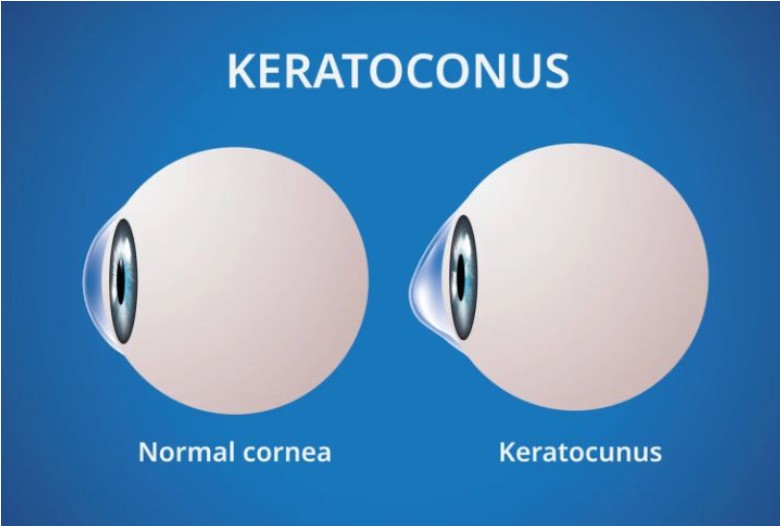
Keratoconus usually starts in late teens to early 30s, but it can begin even earlier. The specific cause isn’t completely clear, but genes and rubbing your eyes are thought to be related to its development.
As time goes by, the cornea becomes weaker and changes shape, leading to uneven astigmatism and blurry vision. At first, changes in vision can be small and might be confused with usual eye problems. That’s why it’s important to see an eye doctor early and check if you have Woodland Hills keratoconus.
Early Signs of Keratoconus
Often Changing Prescriptions
If your eye prescription keeps changing every few months, it could be more than just regular changes in your vision. Keratoconus makes the cornea (the clear front part of the eye) thinner and pushes outwards, which causes quick changes in your vision that regular glasses or contact lenses can’t fix properly.
Blurry or Unclear Vision
Keratoconus changes the shape of the cornea, making vision blurry or wavy. Regular glasses or contact lenses can’t completely fix it. You might see that things like objects, words, or faces look stretched or doubled. This is because of an uneven shape of the cornea, which causes irregular astigmatism. If your eyesight is still blurry even with new glasses, it might be an early sign of keratoconus.
Being More Sensitive to Light (Photophobia)
People with early keratoconus often find bright lights, glare, or sunlight uncomfortable. The uneven shape of the cornea spreads out incoming light, which can be uncomfortable in bright places or under strong lights. You might squint or feel tired eyes when you’re under fluorescent lights.
Halos and Ghosting Around Lights
If you notice halos, glare, or blurry images around lights at night, it might be an early sign of keratoconus. When the cornea becomes uneven, light doesn’t focus correctly, leading to blurry vision. You might see double or triple images, or bright star shapes from car headlights and streetlights.
Headaches and Eye Strain
In the early stage of keratoconus, your eyes struggle to focus because your vision is blurry. This can cause your eyes to feel tired and often leads to headaches. These can happen after reading, using screens, or driving, anything that needs you to focus with your eyes. If your eyes feel tired all the time or you get headaches near your eyes, it might be an early sign of keratoconus.
Vision Trouble at Night
Keratoconus usually makes it harder to see at night before it affects daytime vision. The cornea’s uneven surface spreads out light, making it difficult to see in dim lighting. You might have a hard time seeing things clearly because of low contrast, blurry images, or bright lights from cars coming toward you.
Uneven Astigmatism on Eye Test
Your eye doctor might find irregular astigmatism during a regular check-up, even if you don’t have serious symptoms yet. This happens when the front part of the eye isn’t shaped evenly. This leads to blurry vision that regular glasses can’t fix. If your doctor says your astigmatism is strange or getting worse quickly, they might suggest getting a picture of your cornea.
What to Do If You Have These Symptoms?
If you have one or more of the symptoms mentioned, especially if they occur together, it’s very important to get help from a professional right away. Make an appointment for a complete eye exam with an eye doctor, like an optometrist or ophthalmologist, who knows about diagnosing and treating keratoconus.
Tell them clearly about the problems you’ve seen, like being sensitive to light, needing new glasses often, or having difficulty seeing in the dark. They might do special tests like checking the shape and thickness of your cornea with tools called corneal topography, pachymetry, or wavefront analysis.
Finding Woodland Hills keratoconus early is very important because treatments like corneal cross-linking can stop it from getting worse if it’s discovered early. Even if you don’t have a definite diagnosis yet, watching your symptoms and taking action can help protect your vision in the long run.
Conclusion
Keratoconus usually begins quietly, but if not treated, it can have serious effects. The good news is that finding out about it early gives you a better chance to slow it down or stop it, save your eyesight, and avoid needing surgery later. If you often notice changes in your vision, have trouble seeing at night, are more sensitive to light, or have any other symptoms mentioned here, please pay attention to them and have a proper eye check-up.